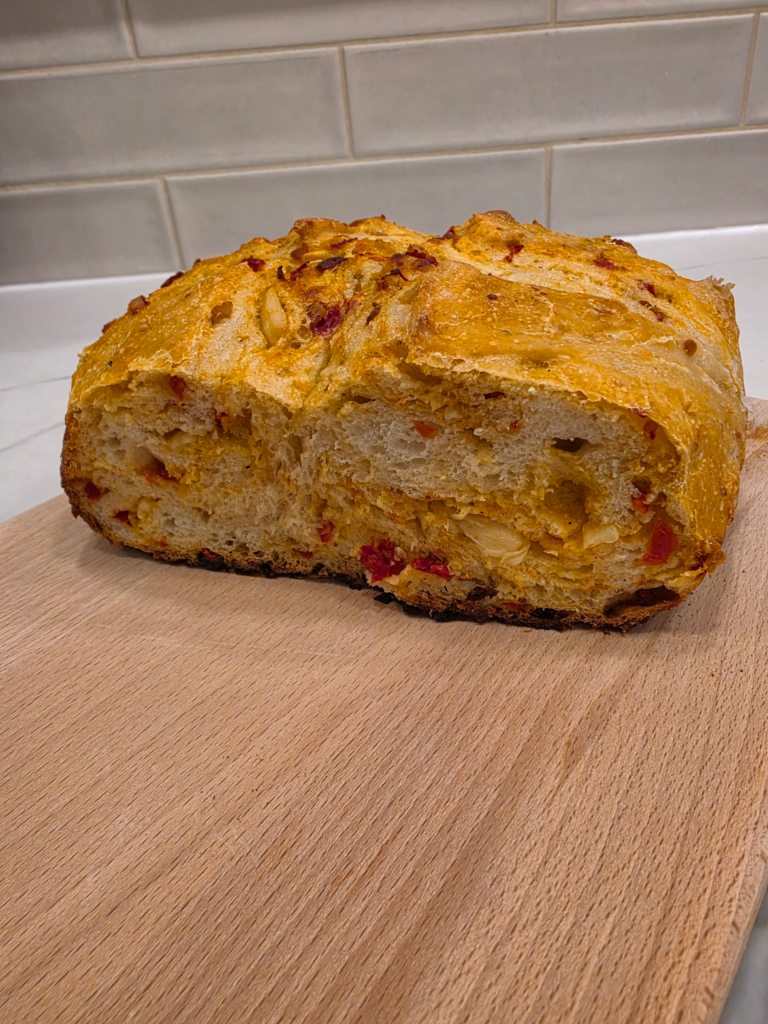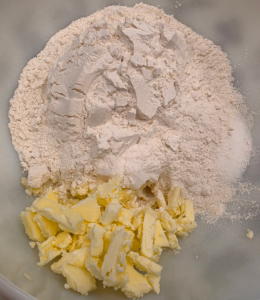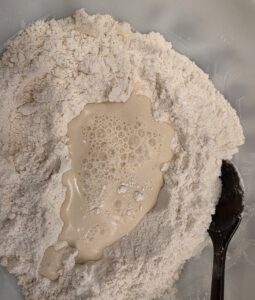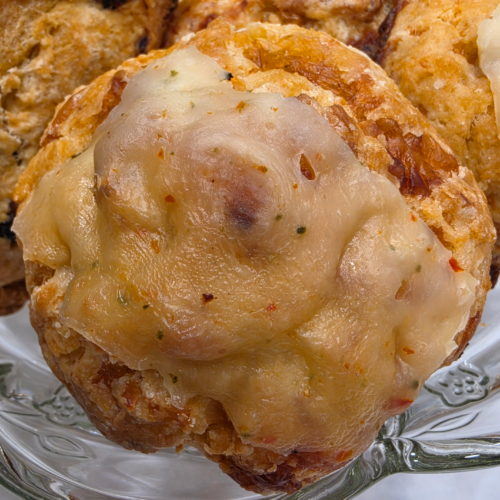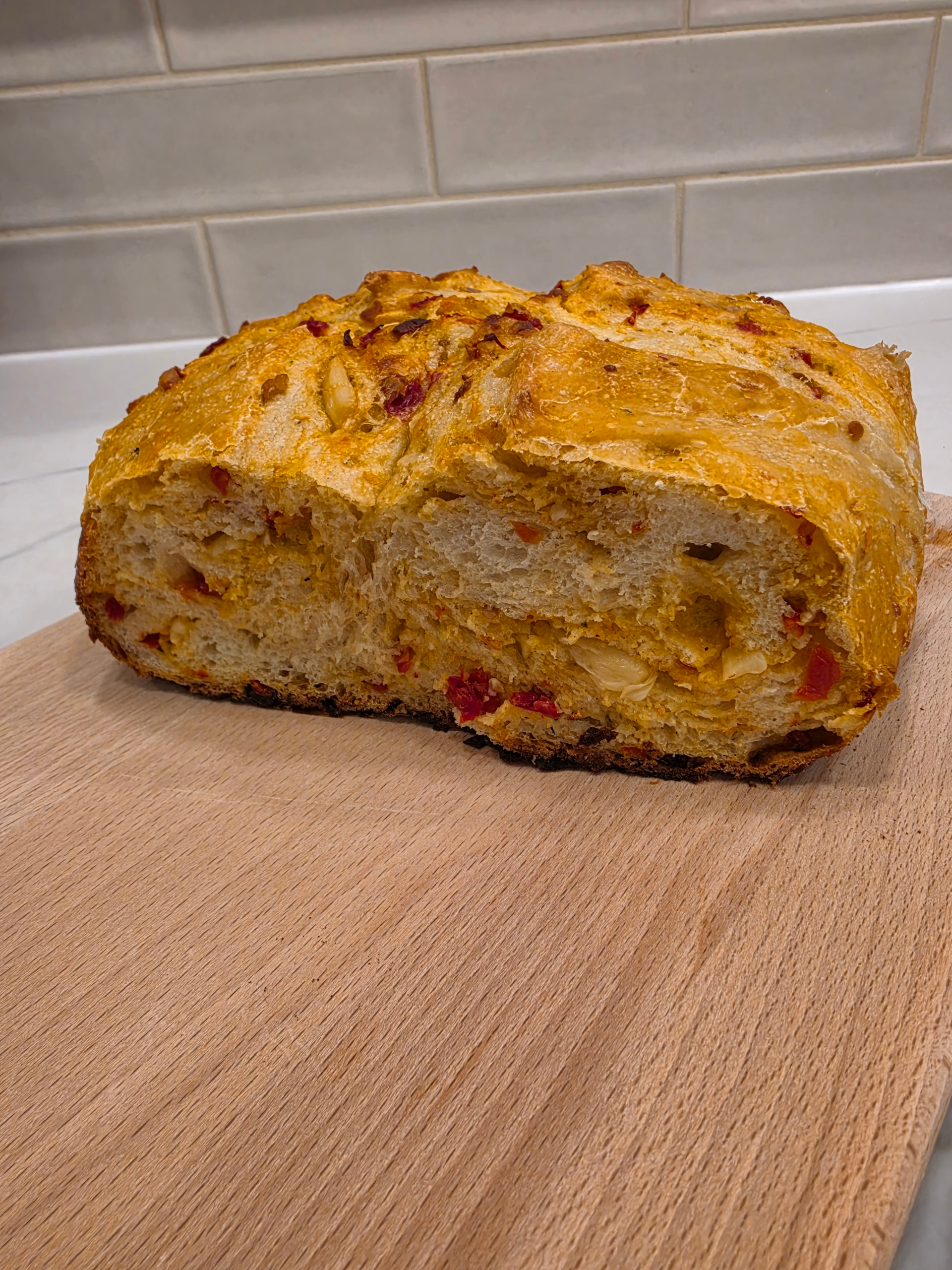
Sourdough bread slice filled with basil pesto, sun-dried tomatoes, and melted mozzarella cheese

How to Bake the Most Insanely Delicious Tomato & Basil Sourdough Bread

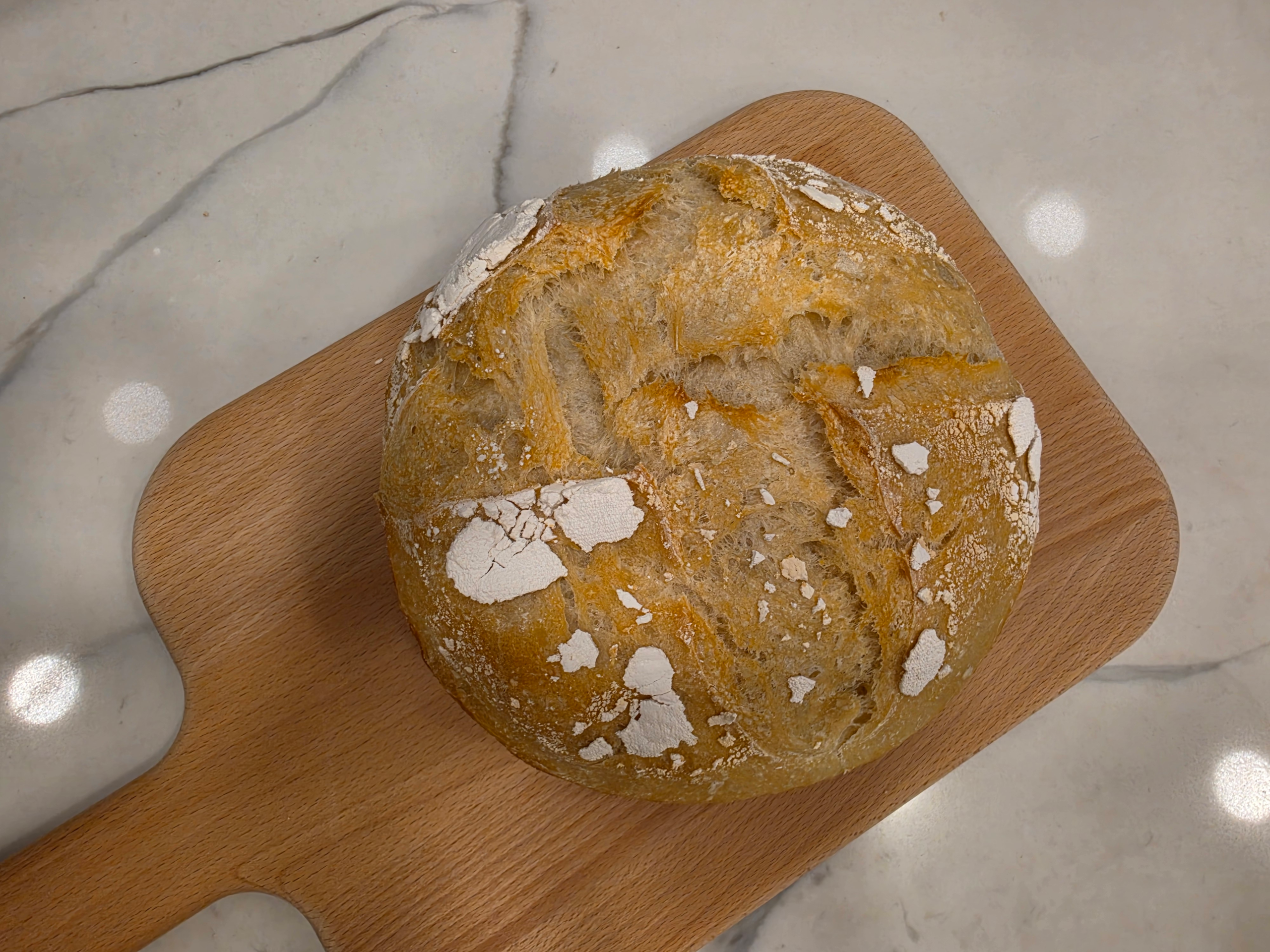
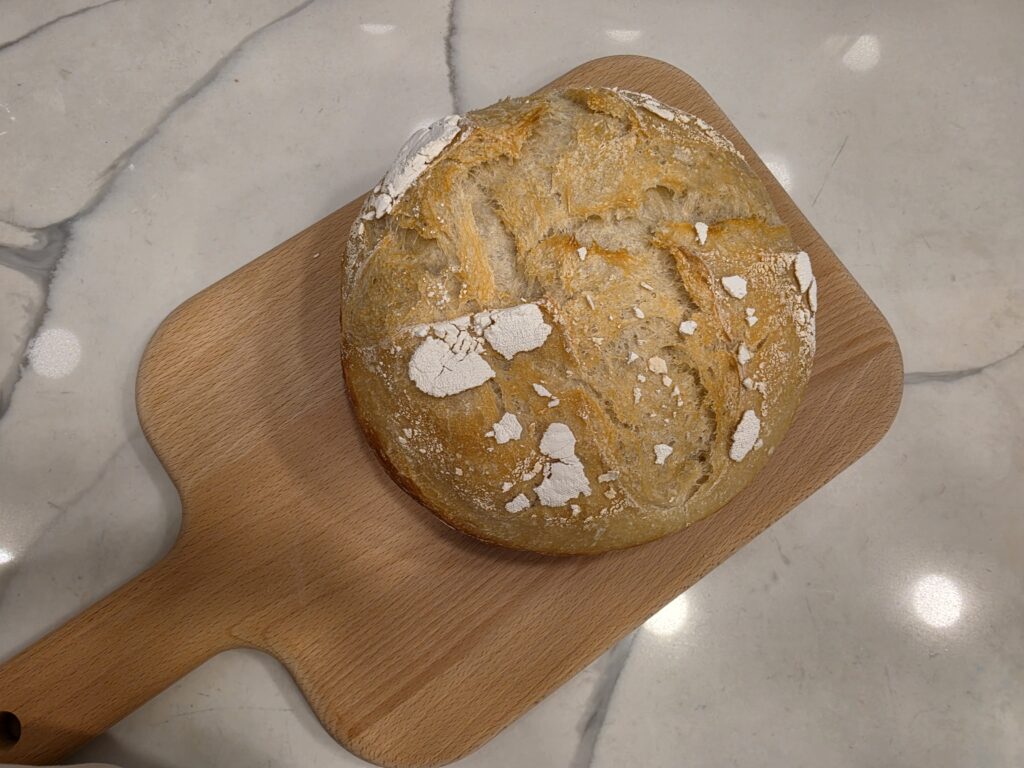
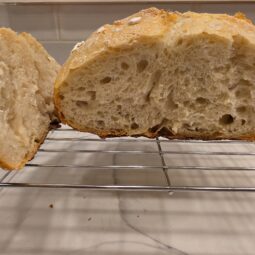
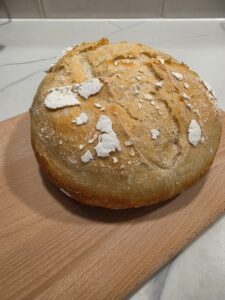
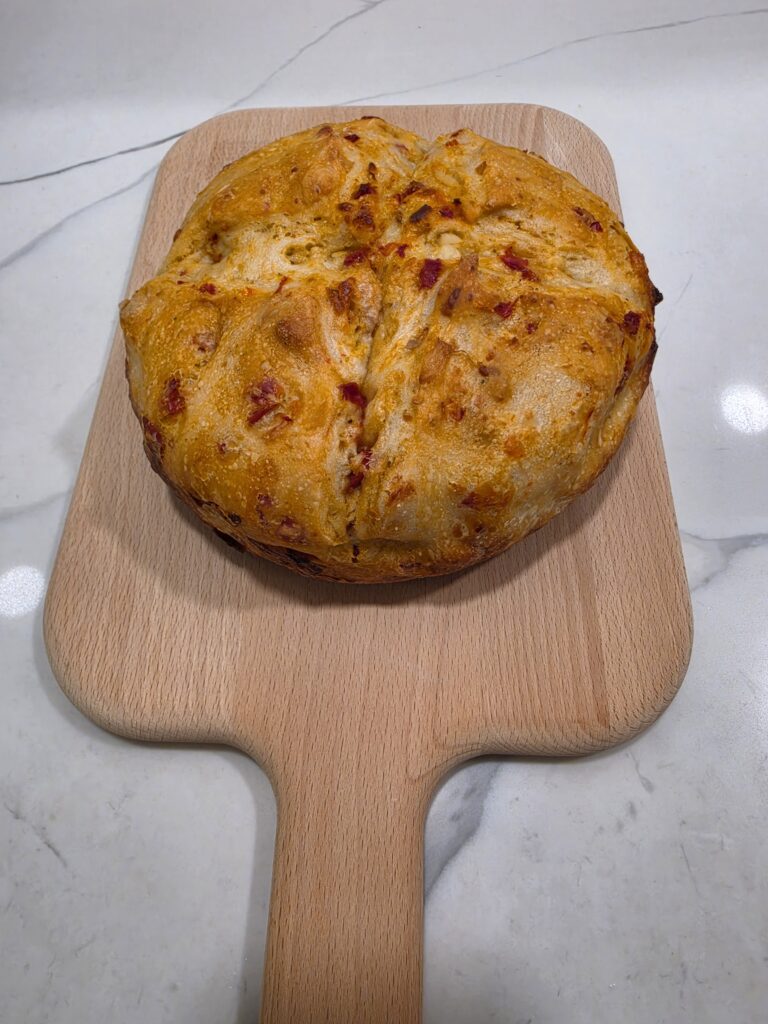
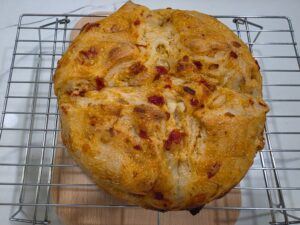
Freshly baked sourdough bread with a crispy golden-brown crust, sun-dried tomatoes, and basil.

If you want to take your artisan baking to the next level, this savory sourdough bread is the ultimate recipe for you. Imagine a crackly golden crust filled with rich basil pesto, tangy sun-dried tomatoes, sweet roasted garlic, and a melted mix of Parmesan Cheese and Mozzarella Cheese.

This gourmet loaf tastes exactly like a premium artisan pizza wrapped inside a beautifully fermented sourdough structure. It is the perfect recipe to impress your family and friends.

Why You Will Love This Sun Dried Tomato & Basil Sourdough

If you’re looking to elevate your home baking, this Tomato & Basil Sourdough is the ultimate savory masterpiece. Here is why it will quickly become your favorite loaf to bake:

  • Gourmet Italian Flavors: Imagine the taste of a premium artisan pizza wrapped inside a perfectly fermented sourdough loaf. The combination of sun-dried tomatoes, aromatic basil pesto, and creamy roasted garlic creates a rich, umami-packed flavor profile that is truly irresistible.
  • Irresistible Texture: This bread offers the best of both worlds—a crackly, golden-brown crust that shatters with every bite, and a soft, airy interior filled with gooey, melted pockets of mozzarella and parmesan cheese.
  • The Perfect Crowd-Pleaser: Whether you’re hosting a dinner party or simply want to impress your family, this loaf is a showstopper. It pairs beautifully with a warm bowl of tomato soup, a fresh salad, or just a simple drizzle of high-quality olive oil and balsamic vinegar.
  • Endlessly Customizable: Once you master this base, it’s incredibly easy to tweak the fillings! From adding spicy chili flakes to swapping in feta and olives, you can create a signature bread that reflects your own unique taste.

🛒 🔗 Shop This Recipe (Recommended Tools & Ingredients)

🛠️Tools List

Mixing Bowl

Silicone Spatula

Digital Scale

Parchment Paper

Cooling Rack

Banneton Basket

Dutch Oven

📝Ingredients List (Copy & Save!)

This recipe relies on high-quality ingredients to create that signature Italian bakery flavor. Here is what you’ll need:

  • Bread Flour (350g): Provides the structure needed for a chewy, airy crumb.
  • Warm Water (240g): The foundation for your sourdough hydration.
  • Active Levain (100g): Ensure your starter is bubbly and active for the best rise.
  • Salt (4g): Balances the flavors and strengthens the dough.
  • Sun-Dried Tomatoes (50g): Drained and chopped; adds a sweet, tangy depth.
  • Basil Pesto (20g): Infuses the loaf with fresh, herbal aromatics.
  • Cheese Blend: 40g of cubed Mozzarella (for stretchy pockets) and 10g of Parmesan (for a savory, crispy crust).
  • Roasted Garlic: About 10 cloves, roasted until buttery and sweet.
  • Olive Oil

Step-by-Step Instructions

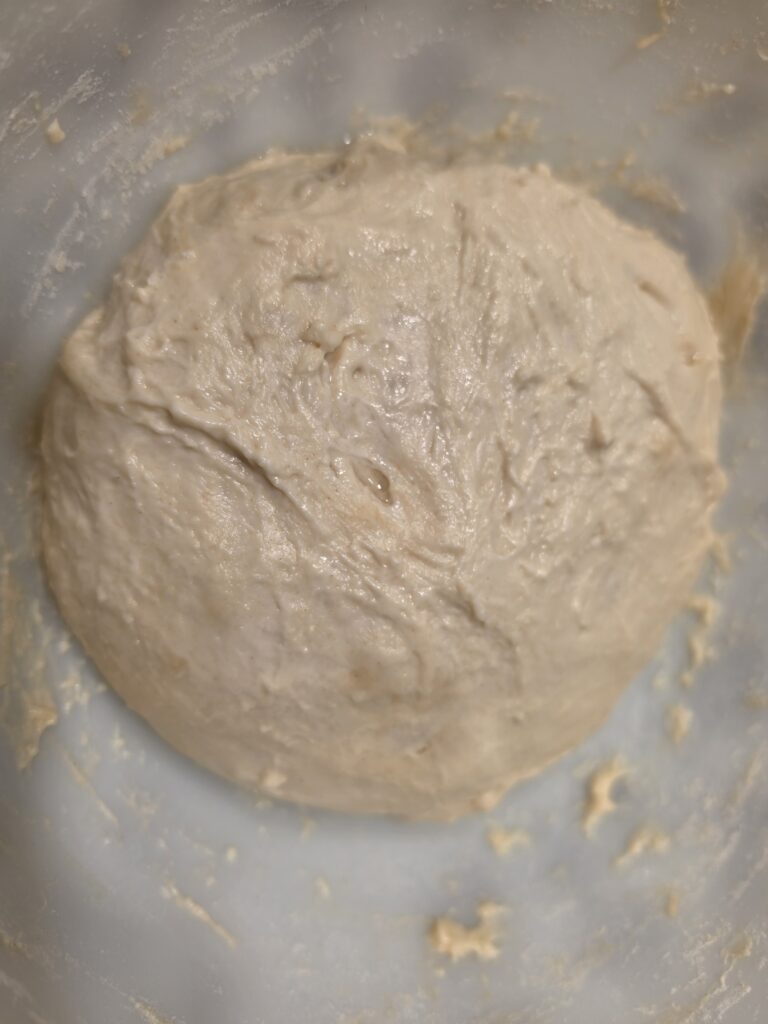
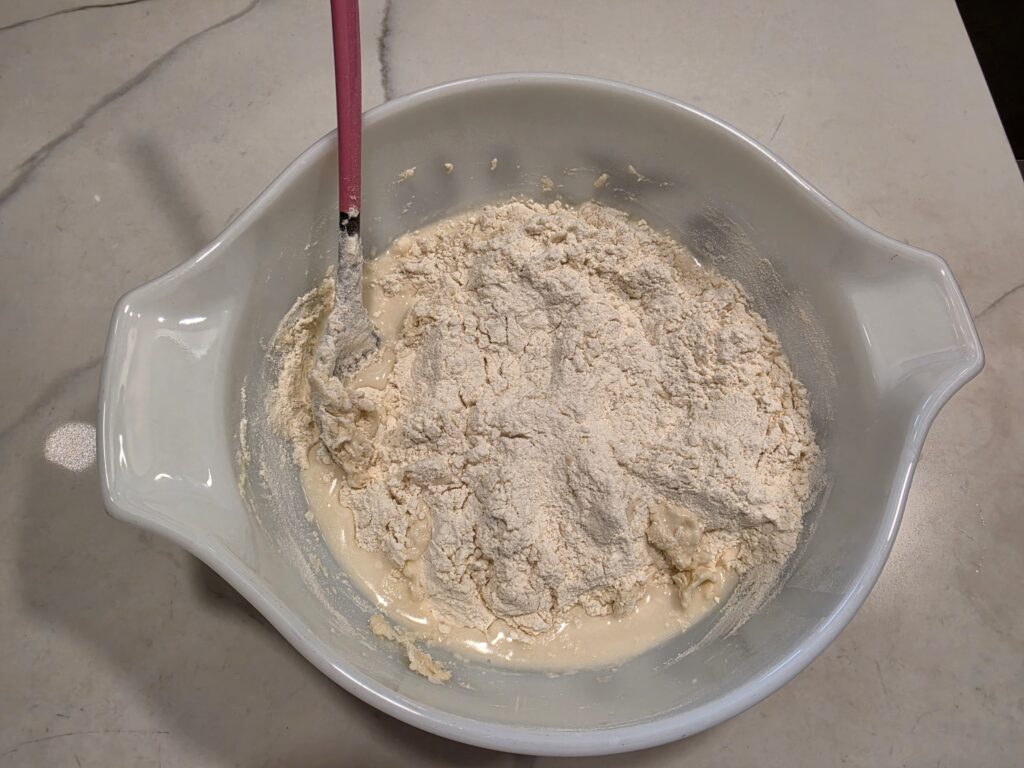
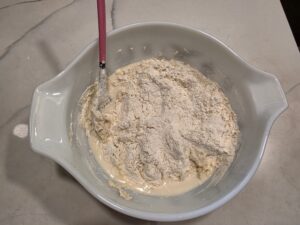
  1. The Autolyse (30 Mins): In a large mixing bowl, combine 350g of bread flour and 240g of warm water. Mix until no dry flour remains, cover, and let it rest for 30 minutes to develop the gluten.
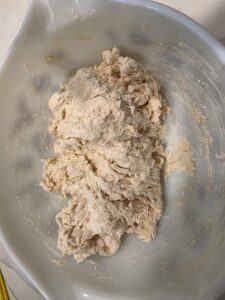
  2. Add Levain & Salt: Add 100g of active levain and 4g of salt. Pinch and squeeze the dough with your hands until fully incorporated and smooth.
  3. Bulk Fermentation: Let the dough ferment at room temperature. Perform 3 sets of “stretch and folds” every 30 minutes.
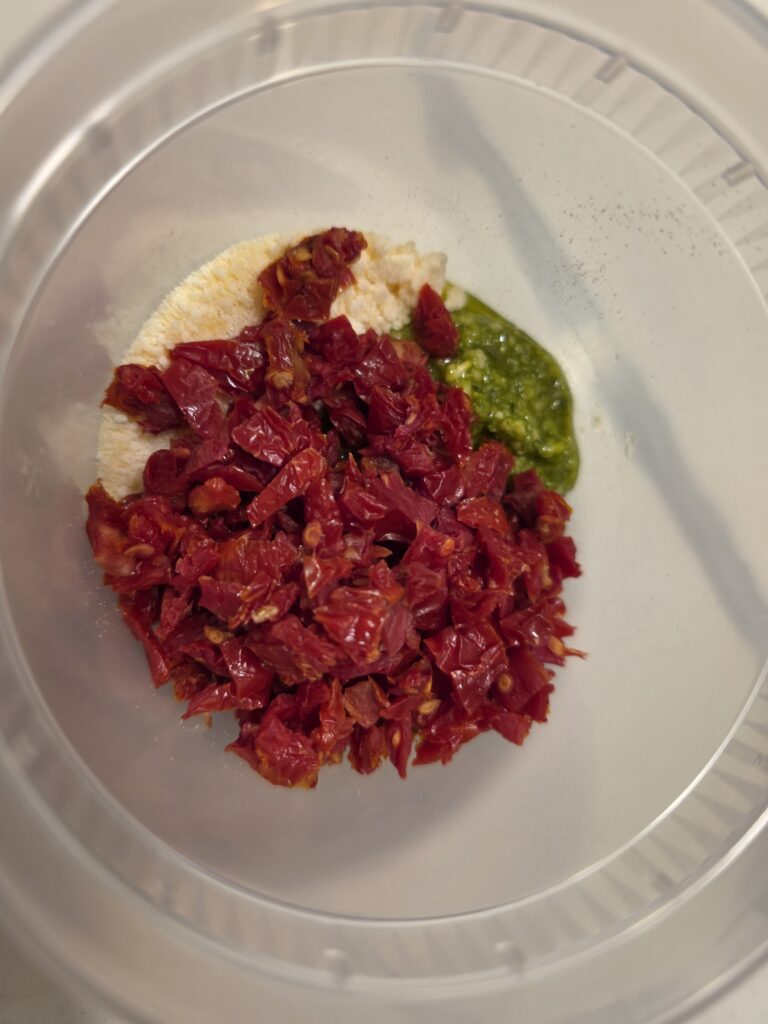
  4. The Lamination (Adding Fillings): On the 4th fold, stretch the dough into a large rectangle. Evenly spread the basil pesto, chopped sun-dried tomatoes, roasted garlic, and cheese cubes over the dough. Roll it into a tight bundle and let it rest for another hour.
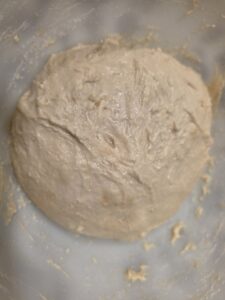
  5. Shaping: Turn the dough onto a lightly floured surface. Gently tuck the edges to form a tight, round boule, being careful not to pop the cheese pockets.
  6. Preheating: Preheat your Dutch oven inside the oven at 245°C (475°F) for at least 45 minutes.
  7. Scoring & Baking: Flip the dough onto parchment paper and score the top with a sharp blade (lame). Bake inside the Dutch oven with the lid on at 245°C (475°F) for 20 minutes.
  8. The Golden Crust: Remove the lid, lower the temperature to 220°C (430°F), and bake for another 20 minutes until the parmesan crust is deep golden brown.
  9. Cooling: Transfer to a wire rack and let it cool for at least 2 hours. This is crucial for the cheese to set and the texture to become perfect.
Sweet Caroline’s Tips

Prevent Greasiness: Make sure to drain excess oil from your sun-dried tomatoes and pesto before adding them to the dough to prevent the interior from becoming too greasy.

Too much oil can weaken the gluten structure, leading to a flatter loaf.

Serving Suggestion: This bread is best enjoyed slightly warm, allowing the mozzarella pockets to stay perfectly soft and gooey.

Storage: Since it is loaded with real cheese and fresh ingredients, store any leftovers wrapped in a paper bag at room temperature for up to 2 days, or slice and freeze it immediately for a quick gourmet toast later!

If you enjoy making comforting homemade goods, don’t forget to check out my sweet and moist Banana Bread Recipe for the perfect weekend baking contrast!

How to Roast Garlic for Sourdough

Roasting garlic changes everything! It removes the harsh bite of raw garlic and turns the cloves into sweet, buttery pockets that melt into your dough. Here is how to do it easily:

  1. Preheat & Prep: Preheat your oven to 200°C (400°F). Peel away the loose, papery outer layers of the whole garlic head, leaving the skins of the individual cloves intact.
  2. Cut the Top: Using a sharp knife, slice about 1/4 inch off the top of the garlic head to expose the raw cloves inside.
  3. Season: Place the garlic head on a piece of aluminum foil. Drizzle about 1 teaspoon of olive oil over the exposed cloves, and sprinkle with a tiny pinch of salt.
  4. Wrap & Bake: Wrap the garlic tightly in the foil. Bake in the oven for 35 to 40 minutes, until the cloves are completely soft and golden brown.
  5. Cool & Squeeze: Let it cool completely. Once cooled, simply squeeze the bottom of the garlic head, and the soft, sweet roasted cloves will pop right out, ready for your recipe!

Customize Your Savory Sourdough

Once you master this baseline recipe, you can easily tweak the ingredients to create your own signature variations.

Here are a few combinations that work beautifully with this exact same dough hydration.

1. The Spicy Mediterranean

Swap the traditional basil pesto for a fiery Chili Pesto (Pesto Rosso) or add a tablespoon of crushed red pepper flakes into the dough during the mix. This pairs incredibly well with the sweet roasted garlic and creates a beautiful spicy kick.

2. The Olive & Feta Twist

If you want a sharper, saltier flavor profile, replace the mozzarella with crumbled Feta Cheese and add a handful of chopped Kalamata olives alongside the Sun-dried tomatoes. It gives the loaf an authentic Greek bakery vibe.

3. The Herby Mushroom & Gouda

For a deeply earthy flavor, sauté some sliced wild mushrooms in olive oil with fresh rosemary. Let them cool completely, then laminate them into the dough with smoked Gouda Cheese instead of parmesan.

This savory sourdough bread recipe will definitely become a favorite in your kitchen.

Sweet Caroline’s Kitchen recipes here.

How to Make the Best Lighter & Moist Quinoa Bread
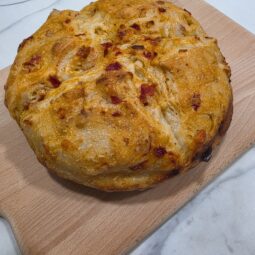
Sourdough Bread Recipe: Ultimate Sun-Dried Tomato & Basil Loaf

Learn how to bake the best savory sourdough bread recipe packed with rich basil pesto, tangy sun-dried tomatoes, roasted garlic, and melted cheese.
Prep Time 1 hour
Cook Time 45 minutes
Cold Fermentation 1 day
Total Time 1 day 1 hour 45 minutes
Course Appetizer, Bread, Breakfast, Salad, Snack, Soup, Tea Time

Equipment

  • 1 Parchment Paper
  • 1 Digital Scale
  • 1 Mixing Bowl
  • 1 Banneton Basket
  • 1 Dutch Oven

Ingredients
  

  • 350 g Bread Flour
  • 240 g Warm Water
  • 100 g Levain
  • 4 g Salt
  • 50 g Sundried Tomato
  • 20 g Basil Pesto
  • 10 g Parmesan Cheese
  • 40 g Mozzarella Cheese
  • 10 cloves Roasted Garlic

Instructions
 

  • The Autolyse (30 Mins)
    In your large mixing bowl, thoroughly combine 350g of bread flour and 240g of filtered water until no dry flour remains. Cover the bowl and let it rest for 30 minutes to develop the gluten network.
  • Add Levain & Salt
    Dimple 100g of active, bubbly levain and 8g of fine sea salt into the rested dough. Pinch and squeeze the dough with your hands until the starter and salt are fully incorporated and the dough becomes smooth.
  • Bulk Fermentation & Stretch:o
    Let the dough ferment at room temperature. Perform a total of 3 "stretch and fold" sessions, spaced 30 minutes apart. To stretch, wet your hands, grab one side of the dough, pull it gently upward, and fold it over the center. Rotate the bowl and repeat for all four sides.
  • The Lamination (Adding Fillings)
    On the 4th fold, gently stretch the dough out on a clean, slightly damp surface into a large, flat rectangle. Evenly spread your 2-3 tablespoons of basil pesto, 50g of drained sun-dried tomatoes, roasted garlic cloves, and your mozzarella and parmesan cheese cubes over the surface. Gently roll and fold the dough back into a tight bundle and place it back in the bowl for another hour.
  • Shaping the Boule
    Turn the dough onto a lightly floured counter. Gently tuck the edges underneath to shape it into a tight, round boule. Be careful not to pop the cheese pockets hiding under the skin.
  • Cold Proofing (Overnight)
    Dust your banneton basket generously with rice flour or bread flour. Place your shaped dough smooth-side-down into the basket. Cover it with a plastic bag to prevent drying and place it in the refrigerator for a cold overnight rise (12–15 hours).
  • Preheating & Scoring
    The next morning, place your Dutch oven inside the oven and preheat it to 245°C (475°F) for at least 45 minutes. Gently flip your cold sourdough dough out of the banneton onto parchment paper. Use your razor blade (lame) to score a clean, deep slash across the top.
  • The Cheesy Bake
    Carefully lower the dough (with the parchment paper) into the blazing hot Dutch oven. Put the lid on and bake at 245°C (475°F) for 20 minutes to melt the interior cheese.
  • The Golden Crust
    Remove the lid, lower the oven temperature to 220°C (430°F), and bake for an additional 20 minutes. Watch closely as the parmesan cheese on the outside caramelizes into a deep, crispy, golden-brown crown.
  • The Cool Down: Transfer your baked loaf to a wire cooling rack. Resist the temptation to cut it immediately! Let it cool completely for at least 2 hours so the melted mozzarella sets and the crumb doesn't become gummy.
Keyword Baking, Baking for Beginners, Basil Pesto, Beginner, Black Olive, Cheese, Chocolate, Easy Recipe, Green Olive, Home Baking, Kalamata, Loaf, Mediterranean, Mozza Cheese, Parmesan Cheese, Roasted Garlic, Savory, Sourdough, sourdough bread, Sundried Tomato, Tea, Tea Time
Sourdough Bread

Sourdough Bread Recipe:5 Easy Steps to a Perfect Crispy Crust

Making your first loaf of sourdough bread at home is a deeply rewarding journey.

While it requires patience and time, the reward of a crackly, golden crust and a beautifully airy interior is absolutely unmatched.

Whether you are an experienced baker or a complete beginner, mastering this artisan craft is much easier than you think when you follow the right steps and a proven, reliable recipe.

Why Temperature Matters for Sourdough

Unlike quick breads, authentic sourdough bread relies entirely on a natural starter.

This means wild yeast and lactic acid bacteria are doing all the heavy lifting, making temperature control a crucial factor for success. Here is why:

Fermentation Speed

The wild yeast in your starter thrives best at a comfortable room temperature of around 24°C to 26°C. If your kitchen is too cold, the dough will take ages to rise, while an overly hot environment can make the dough sticky and over-fermented.

Flavor Development

A slower, cooler fermentation process—often done inside the refrigerator overnight—allows the bacteria to develop that signature rich, tangy flavor profile that everyone loves.

Cleaner Dough Structure

Keeping a consistent temperature ensures that the gluten network develops perfectly. This prevents your final loaf from flattening out in the oven, keeping it beautifully tall and round.

Sweet Caroline’s Tip

Always use a simple kitchen thermometer to check your water and dough temperature before mixing.

Quick Dive into Sourdough History

1. The Origins of Sourdough: The Oldest Bread in Human History

Sourdough is the very first leavened bread made by humanity. Long before commercial yeast was invented, it was discovered entirely by accident.

  • Ancient Egypt (Around 3000 BC): In ancient Egypt, a piece of dough was accidentally left out, allowing wild yeast and lactic acid bacteria from the air to drift in and naturally ferment it. When this puffed-up dough was baked, it turned into a soft, airy bread rather than a hard flatbread—marking the birth of sourdough.
  • A Symbol of the Gold Rush: During the 19th-century San Francisco Gold Rush, miners valued their sourdough starters so highly that they would keep them close to their bodies to protect them with their own body heat. This era popularized “San Francisco Sourdough,” famous worldwide for its distinctly sour flavor.

2. Common Types of Sourdough Bread

The flavor and texture of sourdough change completely depending on the type of flour used and how the starter is managed.

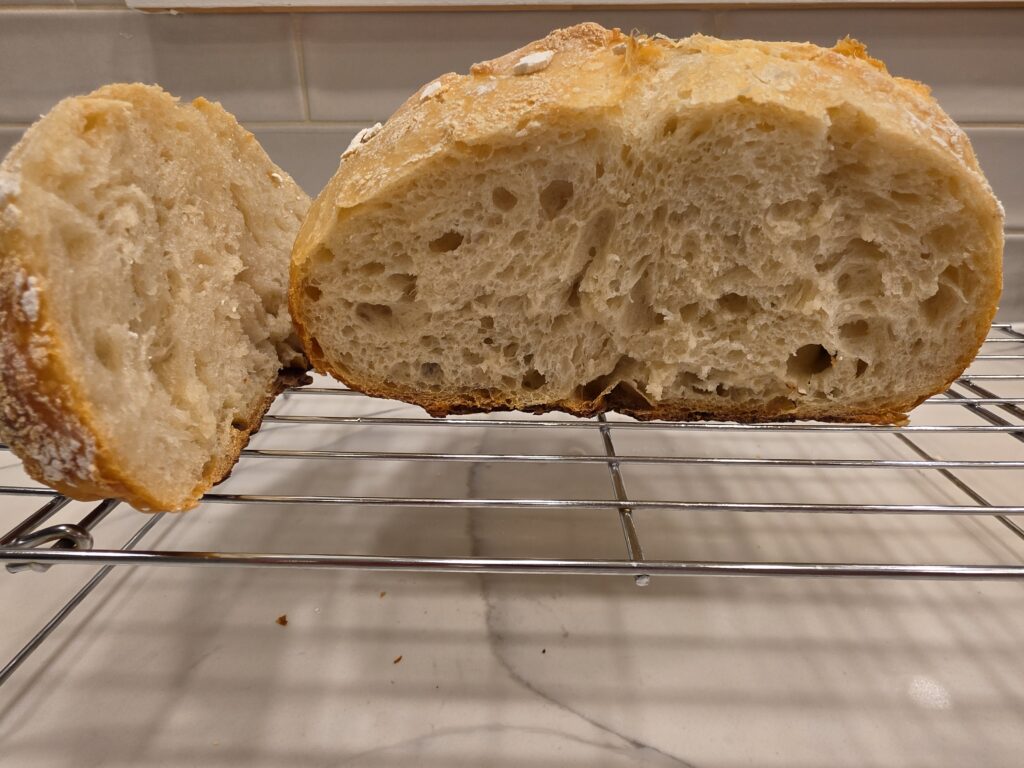
  • White Sourdough: The most classic and popular style. It features large, open airy holes (crumb), a chewy texture, and a pleasantly mild tang.
  • Whole Wheat Sourdough: This style brings out the nutty, hearty flavors of whole grains. While it is highly popular as a health bread due to its rich fiber content, it tends to be denser and less fluffy than white sourdough.
  • Rye Sourdough (Rye Bread): Commonly enjoyed in Germany and Eastern Europe, this bread is known for its strong, sharp acidity and a dense, sticky, and deeply satisfying texture.

3. Regular Sourdough vs. European-Style Sourdough

When we talk about sourdough, it is generally divided into the American style (San Francisco style) and the European style (French, German, etc.). Here is how they differ.

CategoryRegular (American) SourdoughEuropean-Style Sourdough (Pain au Levain, etc.)
SournessFeatures a strong, sharp tang (a vinegar-like punch).Emphasizes a subtle, mild acidity and deep savory flavors.
Main BacteriaDriven by Lactobacillus sanfranciscensis, which produces high amounts of lactic acid.Balances lactic acid bacteria and yeast to maximize the rich, nutty grain flavor.
Flour TypePrimarily centered around white bread flour.Blends various grains such as whole wheat, rye, spelt, and einkorn.
TextureCrispy crust with an incredibly chewy, elastic interior.Heavy, moist crumb with a robust, earthy aroma.

While both are delicious, your choice ultimately comes down to whether you prefer a clean, sharp, and punchy sour notes (Regular) or a deeper, nuttier, and more grain-forward aroma (European).

🛒 🔗 Shop This Recipe (Recommended Tools & Ingredients)

🛠️Tools List

Mixing Bowl

Silicone Spatula

Digital Scale

Parchment Paper

Cooling Rack

Banneton Basket

Dutch Oven

📝 Ingredients List (Copy & Save!)

  • Bread Flour (350g): The structural backbone of the loaf, responsible for that signature “crispy outside, chewy inside” artisan texture.
  • Warm Water (240g): The essential foundation for hydration, creating the perfect environment for yeast activity and dough development.
  • Active Levain (100g): The heart of your sourdough. Ensure your starter is bubbly, peaked, and at its most active state to guarantee a beautiful rise.
  • Salt (8g): More than just flavor; it balances the tang, enhances the depth of the wheat, and tightens the gluten network for a better crumb.

Sweet Caroline’s Tips for a Milder Flavor: How to Tone Down the Sourness

If you find the sharp, tangy punch of traditional San Francisco sourdough a bit too intense, you can easily tweak your recipe to achieve a milder, nuttier European-style loaf. Here are three simple baker’s secrets to control the acidity:

  • Feed Your Starter More Frequently: A hungry starter builds up more acetic acid (which tastes like vinegar). By feeding your starter regularly and using it right when it peaks, you’ll get a much sweeter, milder flavor.
  • Use Warm Water for Fermentation: Lactic acid bacteria thrive in warmer temperatures (around 26°C to 28°C / 78°F to 82°F) and produce a creamy, yogurt-like richness rather than a sharp sour taste.
  • Shorten the Cold Proof: While a long cold fermentation in the fridge deepens the sourness, shortening the cold proof time (or baking it after a room-temperature proof) will keep the flavors beautifully subtle and grain-forward.

How to Make Your Own Sourdough Starter (Levain) from Scratch

A sourdough starter is the living heart of sourdough baking. Instead of using commercial store-bought yeast, you will capture wild yeast and lactic acid bacteria from the air and flour. It typically takes about 6 to 7 days to build a strong, active starter.

What You Need to Bake Sourdough (Sourdough Starter)

  • Flour: Rye or Whole Wheat flour is highly recommended for the first few days (their outer hulls contain more wild yeast). Unbleached bread flour works great too.
  • Water: Filtered or bottled water (avoid tap water, as chlorine can kill the wild yeast).
  • Jar: A clean, clear glass jar so you can watch it rise.
  • Temperature: A warm spot (22°C to 25°C / 72°F to 77°F) is ideal.

The 7-Day Feeding Schedule

Day 1: The Beginning
  • Mix 50g of flour and 50g of lukewarm water in your glass jar. Stir well until no dry flour remains.
  • Rest the lid loosely on top (do not seal it airtight) so air can circulate, and leave it in a warm spot for 24 hours.
Day 2: Quiet Waiting
  • You might not see much action yet, or perhaps just a few tiny bubbles.
  • Add 50g of flour and 50g of water directly to the jar. Stir well and let it rest for another 24 hours.
Day 3: The First Signs of Life
  • You should start noticing a slightly sour aroma and more visible bubbles. From today on, we must discard some of the mixture so the jar doesn’t overflow.
  • Discard all but 100g of your starter.
  • Add 50g of flour and 50g of water to the remaining 100g. Stir thoroughly.
Day 4 to Day 5: Getting Active
  • The starter will begin to smell like fruity yogurt or sour beer. It will rise and fall after feedings.
  • Repeat the Day 3 routine: Discard down to 100g of starter, then feed it 50g of flour and 50g of water.
Day 6 to Day 7: Ready for Baking!
  • Your starter is ready when it doubles or triples in volume within 4 to 6 hours after a feeding. The sides of the jar should look spongy and packed with tiny pockets of air.
  • It should smell pleasantly yeasty, tangy, and sweet—never foul or putrid.

How to Check If Your Starter Is Ready: The ‘Float Test’

If you want to be 100% sure your levain has enough gas to leaven a loaf of bread, try this simple test:

  1. Fill a glass with room-temperature water.
  2. Gently drop a teaspoon of your active starter into the water.
  3. The Result: If it floats gracefully on top, it’s full of trapped gases and ready to bake! If it sinks to the bottom, it needs a bit more time or another feeding.

Step-by-Step Instructions

1. Autolyse and Mixing

Mix your bread flour and water in a large bowl until no dry flour remains. Cover and let it rest for 30–45 minutes; this “autolyse” step is crucial for developing natural gluten. After the rest, add 100g of your active, bubbly levain and 8g of salt. Use your fingers to dimple the dough and mix thoroughly until the texture is smooth and well-incorporated.

2. Stretch and Fold (Bulk Fermentation)

Instead of heavy, traditional kneading, use the “stretch and fold” method to gently build strength. With wet hands, grab one side of the dough, stretch it upward, and fold it over the center. Rotate the bowl and repeat for all four sides. Perform this routine 4 times, with 30-minute intervals in between, to create a strong, elastic dough.

3. Shaping and Cold Retard

Once the dough is airy and has increased in volume by about 50%, gently shape it into a tight round or oval. Place it “seam-side up” into a floured banneton basket. Cover tightly and transfer to the refrigerator for a cold overnight rise (12 to 15 hours). This slow fermentation is the secret to locking in that deep, complex sourdough flavor.

4. Scoring and Baking

Preheat your oven and Dutch oven to 245°C (475°F). Carefully turn your cold dough out onto parchment paper. Using a sharp razor blade (lame), make a deep, confident slash across the top to control the rise.

  • Bake: Bake inside the covered Dutch oven for 20 minutes to trap the steam and ensure a beautiful “oven spring.” Then, remove the lid, lower the temperature to 220°C (430°F), and bake for another 20–25 minutes until the crust turns a deep, crackly golden brown.

No Dutch Oven or Basket? No Problem!

If you don’t own a heavy cast-iron Dutch oven, you can still achieve a magnificent, crispy crust using a standard baking sheet or pizza stone. The secret to a great artisan loaf is steam, and here is how you can create it manually.

How to Store and Freeze Your Leftover Sourdough Bread

To keep your homemade sourdough bread fresh and crusty for days, follow these simple storage tips:

  • At Room Temperature: Never store sourdough in a plastic bag, as it ruins the crispy crust. Instead, keep it cut-side down on a wooden cutting board or store it in a paper bag for up to 4 days.
  • In the Freezer: Sourdough freezes beautifully. Slice the loaf completely, wrap individual slices tightly in plastic wrap, and freeze for up to 3 months. Pop a frozen slice straight into the toaster whenever you want a fresh bite!

Sweet Caroline’s Kitchen recipes here

How to Bake the Most Insanely Delicious Tomato & Basil Sourdough Bread

How to Make the Best Lighter & Moist Quinoa Bread

Now, are you ready to bake your very first loaf of sourdough? If you have any questions along the way, feel free to leave a comment below!

Classic Sourdough Bread for Beginners

A foolproof, step-by-step master recipe for baking a perfect sourdough bread with a crispy crust and chewy interior. Perfect for beginners!
Prep Time 1 day
Cook Time 45 minutes
Resting Time (24 Hours) 1 day
Course Appetizer, Bread, Breakfast, Cheese, Main Course, Soup
Cuisine European, French
Servings 1 Loaf

Equipment

  • 1 Large Mixing bowl
  • 1 Dutch Oven
  • 1 Banneton (Proofing Basket)
  • 1 Scraper
  • 1 Blade or Knife
  • 1 Scale

Ingredients
  

  • 350 g Bread Flour
  • 240 g Water
  • 8 g Salt
  • 100 g Levain (=Soughdough Starter)

Instructions
 

  • Autolyse and Mixing

    Mix your flour and water in a large bowl until no dry flour remains. Let it rest for 30-45 minutes to develop natural gluten. After the rest, add 100g of your refreshed, active levain and 8g of salt. Dimple the dough with your fingers and mix thoroughly until smooth.
  • Stretch and Fold (1st Fermentation)

    Instead of heavy kneading, use the stretch and fold method to build structure. Wet your hands, grab one side of the dough, stretch it upward, and fold it over the center. Rotate the bowl and repeat for all four sides. Perform this routine 4 times, spaced 30 minutes apart.
  • Shaping and Cold Retard

    Once the dough is airy and has increased in volume by about 50%, gently shape it into a tight round or oval shape. Place it cut-side up into a floured banneton basket. Cover it well and transfer it to the refrigerator for a cold overnight rise (12 to 15 hours). This slow fermentation locks in the deep flavor.
  • Scoring and Baking

    Preheat your oven to 245°C (475°F). If you have a Dutch Oven, preheat it as well. Turn your cold dough out onto parchment paper and use a sharp razor blade to make a deep slash across the top.
  • Bake
    Bake inside the covered Dutch oven for 20 minutes to trap the steam. Then, remove the lid, lower the temperature to 430°F (220°C), and bake for another 20 minutes until the crust turns a deep, crackly golden brown.
    Classic homemade sourdough bread for beginners, Homemade sourdough starter
Keyword sourdough bread

Sweet Caroline’s Kitchen recipes here

How to Make Melt-in-Your-Mouth Pecan Butter Tea Cookies

How to Make the Best Moist Marble Pound Cake

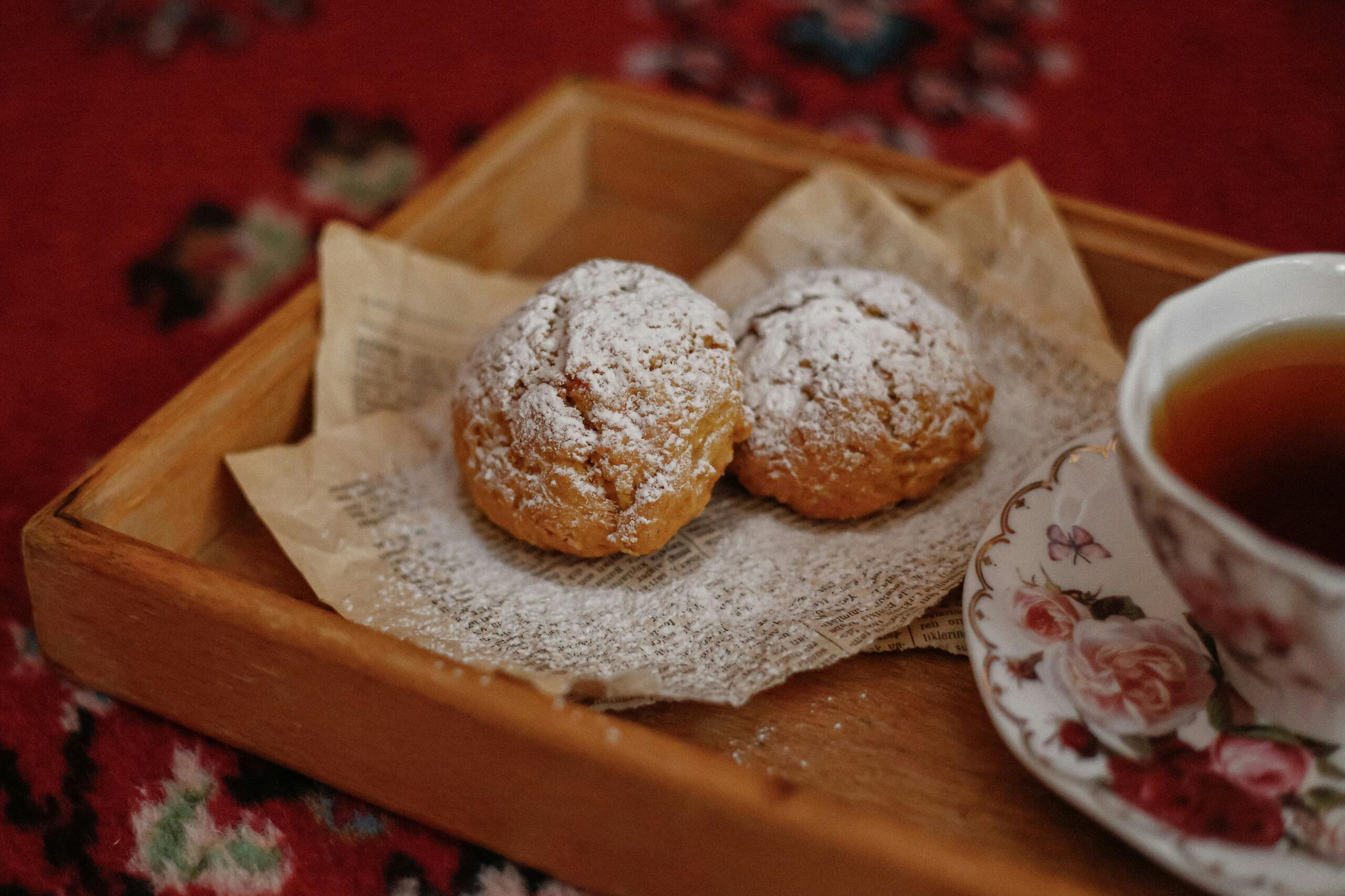
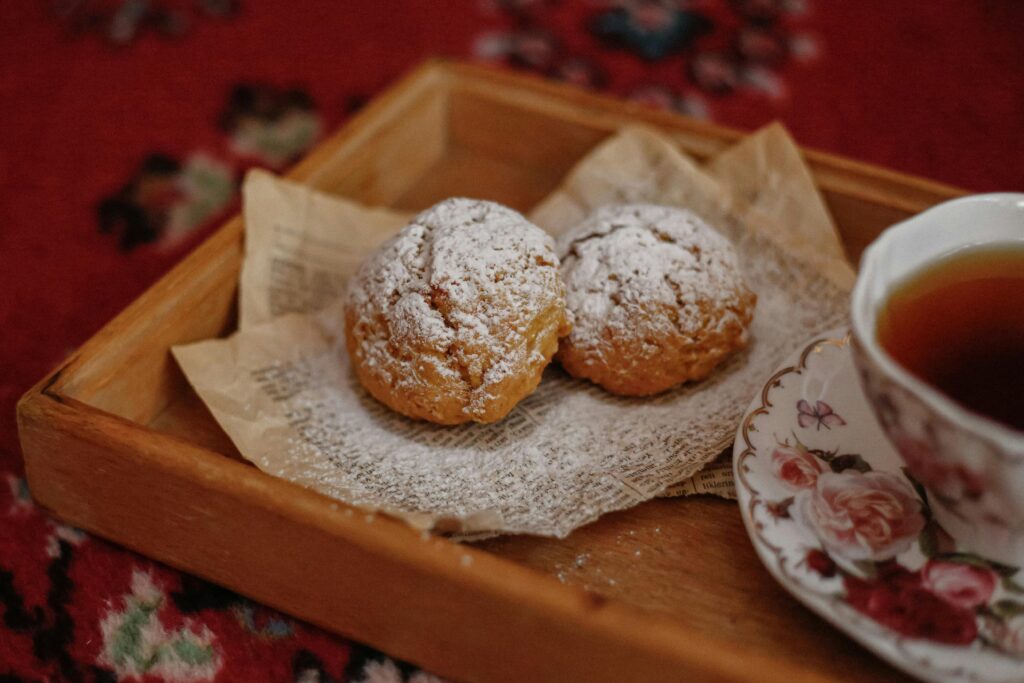
Melt-in-your-mouth pecan butter tea cookies coated in powdered sugar served with hot tea

How to Make Melt-in-Your-Mouth Pecan Butter Tea Cookies

Enjoy these pecan butter tea cookies for a moment of quiet luxury that melts effortlessly on your tongue.

A tiny treat to soothe your soul alongside a warm cup of tea.

buttery round toasted pecan butter tea cookies coated in powdered sugar

While they may not be flashy, these cookies—often called Snowballs or Mexican Wedding Cakes—are the definition of elegance. With their melt-in-your-mouth texture and the deep, nutty richness of pecans and butter, you’ll feel like you’ve just had a little taste of heaven.

1. The Signature Texture: A Delicate Crumble

The hallmark of a great tea cookie is its short, melt-in-your-mouth texture. Unlike a chewy chocolate chip cookie, these are crafted to be light and sandy. By using a high ratio of quality butter and finely chopped pecans, the cookie dissolves the moment it hits your tongue, leaving behind a rich, nutty finish. It is a delicate crumble that whispers rather than crunches.

2. The Soul of the Cookie: Toasted Pecans & Butter

The ingredients are simple—butter, powdered sugar, flour, and vanilla—but the soul of the cookie lies in the technique.

These simple ingredients are the secret to that signature melt-in-your-mouth texture. Here is what you need to achieve perfection:

🛒 🔗 Shop This Recipe (Recommended Tools & Ingredients)

🛠️Tools List

📝 Ingredients List (Copy & Save!)

  • Unsalted Butter (250g): The heart of the cookie. Use high-quality, European-style butter for a richer, more velvety flavor profile.
  • All-Purpose Flour (283g): Provides the essential structure. Be gentle when mixing to maintain a light, sandy crumble rather than a chewy texture.
  • Chopped Pecans (117g): The soul of the recipe. Toasting them beforehand is a non-negotiable step to unlock their deep, earthy aroma and nutty richness.
  • Powdered Sugar (128g): Unlike granulated sugar, this fine powder allows the cookies to dissolve effortlessly on your tongue.
  • Vanilla Extract (5g): Adds a subtle, warm sweetness that bridges the flavors of the butter and toasted nuts.
  • Salt (1g): A crucial supporting player that balances the sweetness and elevates the overall flavor profile, ensuring the cookies have depth and character.
  • The Pro Tip: Toasting the pecans before folding them into the dough is a non-negotiable step. It releases their natural oils and intensifies that woody, earthy aroma, ensuring the nutty flavor stands up beautifully against the richness of the butter.
  • Quality Butter: As the heart of this cookie, using high-quality, European-style butter elevates the flavor from “good” to “gourmet.” it creams gently with powdered sugar, making it the perfect base for pecan butter tea cookies with a dough that feels soft and airy, almost like a whisper.
    3. A Ritual of Powdered Sugar

    When they come out of the oven, pale and soft with just the faintest golden edge, I always dust them with a light snowfall of powdered sugar. Rolling them while they are still warm creates a thin, sweet “crust” that seals in the moisture. Once cooled, a second dusting gives them that classic, snowy aesthetic—turning them into tiny winter biscuits that are almost too pretty to eat.

    4. The Perfect Pairing

    These cookies are designed to cleanse the palate and complement your daily ritual:

    • Black Tea: Brings out the richness of the butter.
    • Green Tea: Highlights the delicate nuttiness of the pecans.
    • Bold Espresso: Balances the subtle sweetness with its pleasant bitterness.

    It is a cookie that doesn’t overpower; it simply sits beside your cup and makes the moment feel a little more gentle.

    5. A Timeless Gift

    Pecan Butter Tea Cookies are as sturdy as they are delicate, making them ideal for gifting.

    They store beautifully in airtight containers and, much like a good shortbread, the flavors often deepen and improve a day after baking.

    Whether tucked into a tea tin or a decorative box, everyone will fall in love with these homemade pecan butter tea cookies.

    Baking these cookies is more than just a task; it is a reminder that simple things can be beautiful, too.

    It is a small pause in the day—a warm breath—and a chance to enjoy the ritual of slowing down.

    Next time you need a moment of quiet luxury, let the scent of toasted pecans and browning butter fill your kitchen. You’ll feel like you’ve just had a little taste of heaven.

    Caroline’s Kitchen recipes here.

    Pecan Butter Tea Cookie

    A little taste of heaven in every bite. Our **Pecan Butter Tea Cookies** combine the nutty richness of toasted pecans with the velvety smoothness of premium butter, melting effortlessly on your tongue. Transform your tea time into a truly special occasion with these classic **pecan butter tea cookies**—a masterpiece of patience and craftsmanship. It is the perfect gourmet treat for yourself or a thoughtful gift for someone special.
    Prep Time 40 minutes
    Cook Time 25 minutes
    Resting Time 1 hour
    Course Snack, Tea Time

    Equipment

    • 1 Stand Mixer or Hand Mixer
    • 2 Bowls
    • 1 Silicon Spatula
    • 1 Fine Mesh sieve
    • 1 Baking Pan
    • 1 Parchment Paper
    • 1 Scale
    • 1 Ice Cream Scoop
    • 1 Cooling Rack

    Ingredients
      

    • 250 g Unsalted Butter
    • 128 g Powdered Sugar
    • 5 g Vanilla Extract
    • 283 g All- Purpose Flour
    • 1 g Salt
    • 117 g Chopped Pecans

    Instructions
     

    • Toast the Pecans

      Lightly toast the pecans in a pan over low heat for 3–5 minutes until fragrant.Let them cool completely, then chop into small pieces.

    • Cream the Butter and Sugar

      In a mixing bowl beat the softened butter until smooth.Add powdered sugar and continue beating until light and creamy.Mix in the vanilla extract.
    • Add the Dry Ingredients

      Sift the flour and salt together. Add to the butter mixture and mix gently until just combined.Do not overmix.
    • Fold in the Pecans

      Add the chopped, toasted pecans and fold with a spatula until evenly distributed.
    • Chill the Dough

      Wrap the dough and refrigerate for 30–60 minutes to help the cookies hold their shape.
    • Bake

      Bake at 160°C (320°F) for 20–22 minutes.The cookies should remain pale with only a slight golden bottom.
    • Coat with Powdered Sugar

      While still warm, roll the cookies in powdered sugar for the first coating.Once fully cooled, dust or roll them again for a snowy finish.
    Keyword Baking, Cookie, Easy Recipe, Home Baking, Icing sugar, Mexican Wedding, Pecan, Powder Sugar, Snowball, Tea, Tea Time

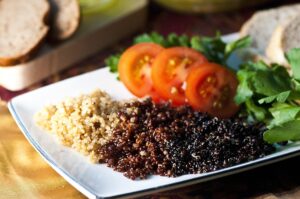
    moist quinoa bread

    Best Healthy Lighter & Moist 100% Quinoa Bread Recipe

    Looking for a healthy, guilt-free treat?

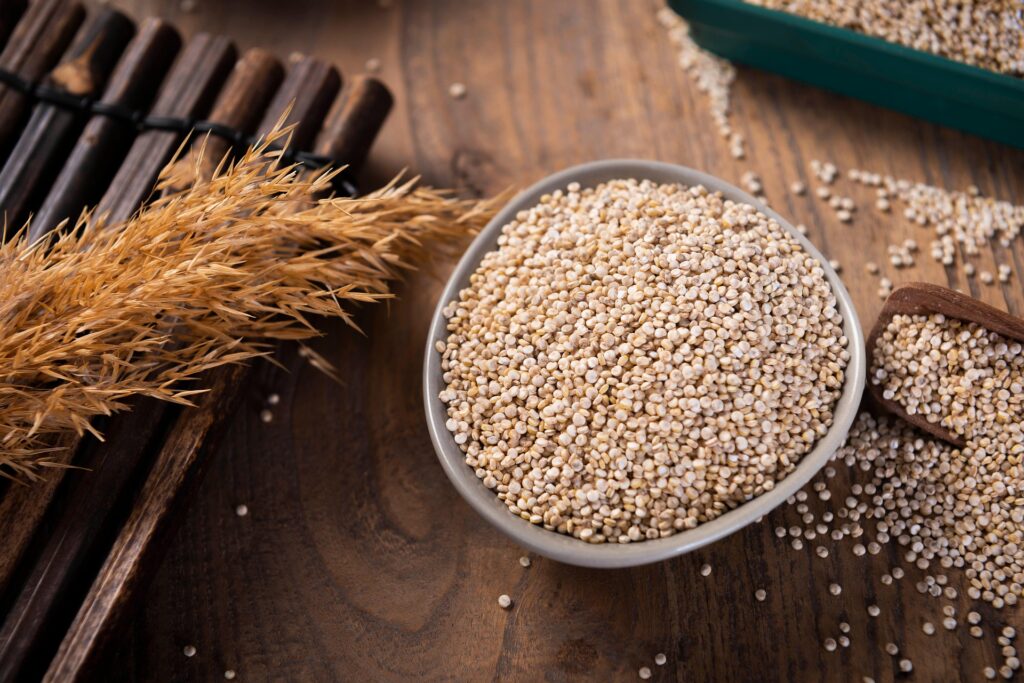
    The key to the best healthy quinoa bread is using high-quality, perfectly cooked quinoa that provides a neutral, nutty base for all the other ingredients to shine.

    This 100% Quinoa Bread is the perfect gluten-free loaf for those seeking a healthy, moist, and delicious alternative to traditional bread. Naturally light and tender, this bread is lifted beautifully with lemon juice, eggs, and baking powder, creating an airy crumb that is perfect for sandwiches, toast, or your daily healthy breakfast.

    There’s nothing quite like the smell of fresh, warm quinoa bread wafting through your kitchen. This loaf is incredibly versatile—it’s just as good toasted with almond butter as it is served alongside a hearty seasonal soup.

    Best healthy moist 100% quinoa bread loaf on a wooden cutting board

    Why You’ll Love This Quinoa Bread

    • Complete Protein: Quinoa is one of the few plant-based foods containing all nine essential amino acids.
    • Gluten-Free & Wholesome: A perfect alternative for those avoiding traditional flours.
    • Moist & Airy: Thanks to the magic of lemon juice and eggs, this loaf has a beautiful crumb rather than being dense or dry.
    • Why Quinoa is a Superfood for Bread:Quinoa is a powerhouse of nutrition. As a complete protein containing all nine essential amino acids, it’s rich in fiber, magnesium, and iron. Using it as a base for this bread not only provides a wonderful nutty flavor but also keeps you feeling full and energized for longer.
    • To learn more about the amazing health benefits and nutritional profile of quinoa, check out this comprehensive guide from Healthline: 11 Proven Health Benefits of Quinoa.”

    Sweet Caroline’s Kitchen recipes here.

    Sweet Caroline’s Tip

    1. Mastering the Quinoa: Always rinse your quinoa thoroughly before boiling to remove the natural bitter coating (saponin). Let it cool completely before blending to maintain the right batter texture.
    2. Achieving the Perfect Texture: Blend the quinoa and wet ingredients until the batter looks like a velvety, thick smoothie.The key to the best healthy quinoa bread is achieving a silky, cream-like consistency in your blender before you add the leavening agents—this ensures the perfect rise. If your batter seems too thin, let it rest for 5 minutes; it will naturally thicken as the quinoa absorbs the moisture.
    3. The Magic of Lemon Juice: Don’t skip the lemon juice! It acts as a catalyst for the baking powder, creating essential air bubbles that help your gluten-free bread rise beautifully.
    4. Cool Completely: Patience is key. Always let your bread cool fully before slicing to ensure the crumb sets perfectly.
    5. Perfect Storage: To keep it fresh, store the bread in an airtight container in the refrigerator for up to 5 days. For longer storage, slice the bread and freeze it for up to 3 months.
    6. Vegan Option: You can easily make this recipe vegan by using a “flax egg” (mix 1 tablespoon of ground flaxseed with 3 tablespoons of water and let it sit for 5 minutes) as a substitute for each egg.
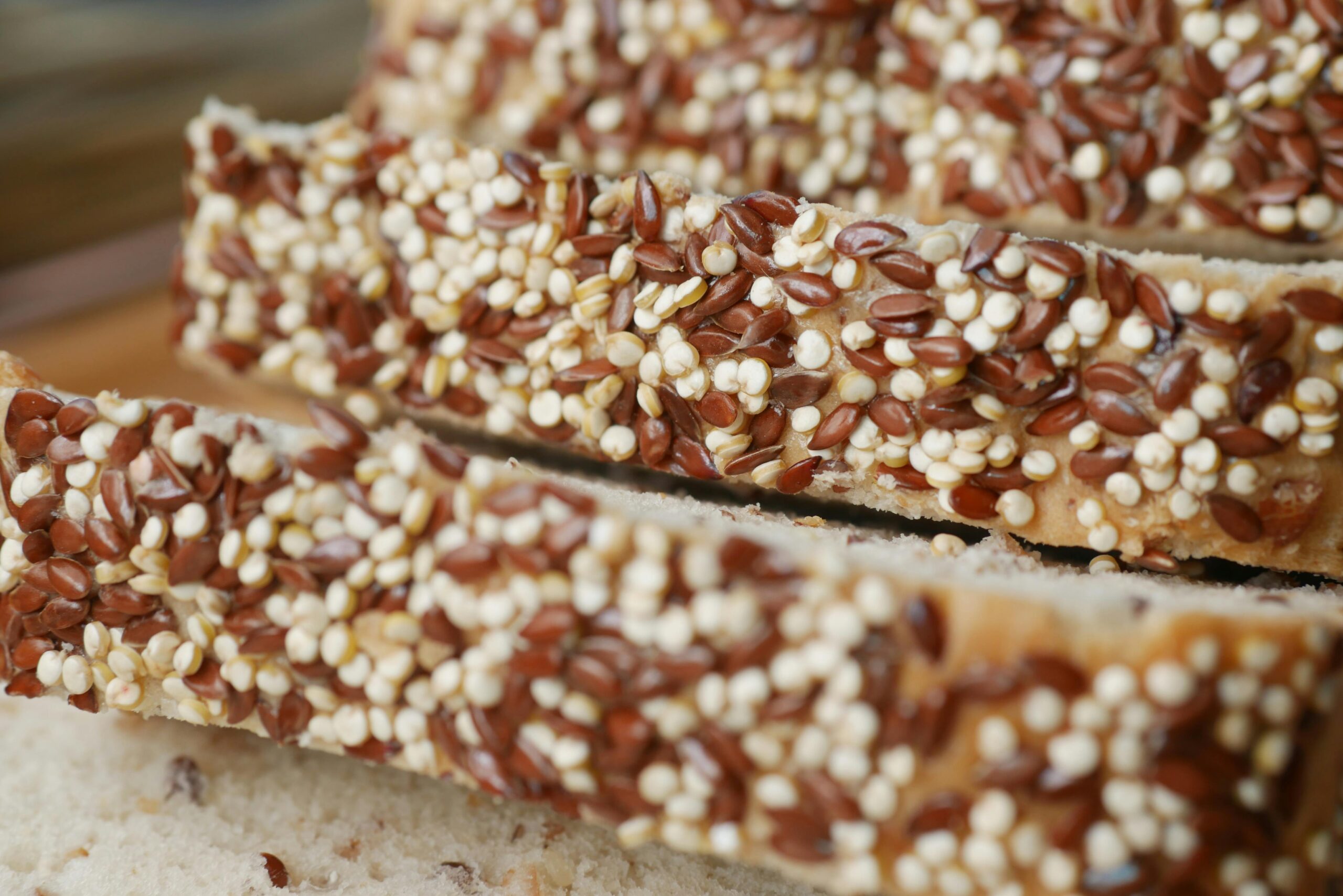
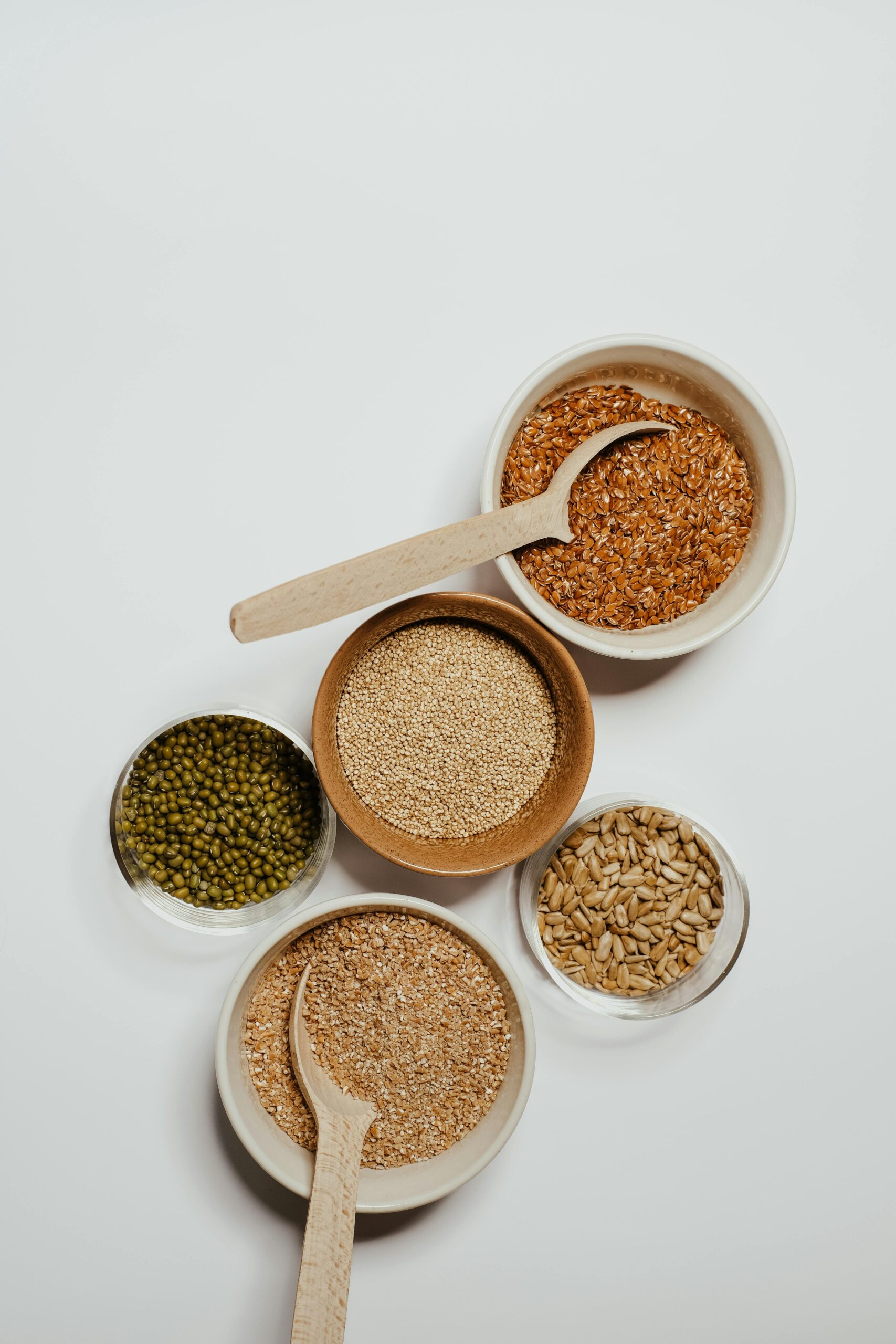
    7. Boost the Flavor: Want more crunch? Feel free to fold in chopped walnuts, sunflower seeds, or flax seeds before pouring the batter into the pan.
    8. A common mistake with gluten-free baking is slicing too soon. Cooling the bread completely is non-negotiable; it allows the moisture to redistribute, giving you that perfect, sliceable crumb you crave.

    Step-by-Step Instructions for Quinoa Bread

    1. Preheat & Prep: Preheat your oven to 350°F (175°C) and line your loaf pan.
    2. Blend: Combine the cooked, cooled quinoa and wet ingredients in a blender until smooth.
    3. Leaven: Add the baking powder and salt last, pulsing just a few times.
    4. Bake: Pour into the pan and bake for 45–55 minutes until golden and springy.

    Sweet Caroline’s Serving Idea

    Remember, the key to the best healthy quinoa bread is letting it cool completely before slicing; this simple step makes all the difference in the final texture.

    • Morning Toast: Spread with salted butter or a drizzle of local honey.
    • Healthy Sandwich: Use it for a protein-packed turkey or avocado sandwich.
    • Soup Side: Serve warm with your favorite seasonal soup.
    • If you’re looking to boost the protein content even further, you can replace the olive oil with a high-quality hemp seed oil, which adds an earthy richness that pairs perfectly with the nuttiness of the quinoa.

    🛒 🔗 Shop This Recipe (Recommended Tools & Ingredients)

    Recommended Tools & Ingredients (Amazon Links)
    🛠️ Quick Shopping Tools List

    Blender

    Silicon spatula

    Loaf Pan 9×5

    Parchment Paper

    Bread Knife

    Cooling Rack

    450g Cooked Quinoa ( 170g -180g Uncooked Quinoa)

    📝Quick Shopping Ingredients List (Copy & Save)

    200G Eggs (4EA)

    45g Olive Oil OR Maple Syrup

    12g Baking Powder (3tsp)

    If you are looking for the absolute best healthy quinoa bread, this easy recipe is the only guide you need.

    Frequently Asked Questions about Quinoa Bread

    • Can I make this bread vegan? Yes, you can use a flax egg (1 tbsp ground flaxseed + 3 tbsp water) as a substitute for regular eggs.
    • How do I store this bread? Keep it in an airtight container in the refrigerator for up to 5 days, or freeze slices for up to 3 months.
    • Is this recipe truly 100% gluten-free? Yes, by using certified gluten-free baking powder and quinoa, this recipe is safe for those with gluten sensitivities.

    Best Healthy Lighter & Moist 100% Quinoa Bread

    A naturally light and tender gluten‑free loaf, lifted beautifully with the perfect balance of lemon juice, eggs, and baking powder. It’s a versatile everyday bread that pairs effortlessly with toast, sandwiches, or a warm bowl of soup.
    Prep Time 30 minutes
    Cook Time 1 hour
    1 hour
    Total Time 2 hours 30 minutes
    Course Appetizer, Breakfast, Cheese, Main Course, Salad, Snack, Soup, Tea Time
    Servings 1 Loaf

    Equipment

    • 1 Blender
    • 1 Silicon Spatula
    • 1 Loaf Pan 9×5 inch
    • 1 Parchment Paper
    • 1 Bread Knife
    • 1 Cooling Rack

    Ingredients
      

    • 450 g Cooked Quinoa (170 g-180 g Uncooked Quinoa)
    • 200 g Eggs Large 4 EA
    • 45 g Olive Oil 4-5 Tbsp
    • 40 g Honey OR Maple Syrup
    • 12 g Baking Powder 3 tsp
    • 3 g Fine Salt 1/2 tsp
    • 5 g Vanilla Extract Optional
    • 2 g Cinnamon Optional
    • 5 g Lemon Juice Helps lighten texture

    Instructions
     

    • Preheat oven to 350°F (175°C). Line a loaf pan with parchment paper.
    • Add the cooked and cooled quinoa to a blender and blend until extremely smooth and creamy.
    • In a separate bowl, whisk the eggs for 20–30 seconds to add lightness.
    • Add eggs, oil, and honey to the blender with the quinoa. Blend until fully combined.
    • Add baking powder, salt, vanilla, and cinnamon. Pulse just a few times — do not overblend.
    • Check the batter: it should look like a thick smoothie. If too thin, let it sit 5 minutes to thicken.
    • Pour into the prepared loaf pan and smooth the top.
    • Bake for 45–55 minutes, until the center springs back and a toothpick comes out clean.
    • Cool completely before slicing to allow the crumb to set.
      moist quinoa bread
    Keyword Baking, Dairy-Free, Easy Recipe, Egg, Glueten Free, Healthy, Home Baking, Loaf, Moist, Organic, Quinoa

    If you love baking, you might also enjoy my guide on

    How to Optimize Your Savory Smoked Cheese Scones(Perfect Flaky Layers)

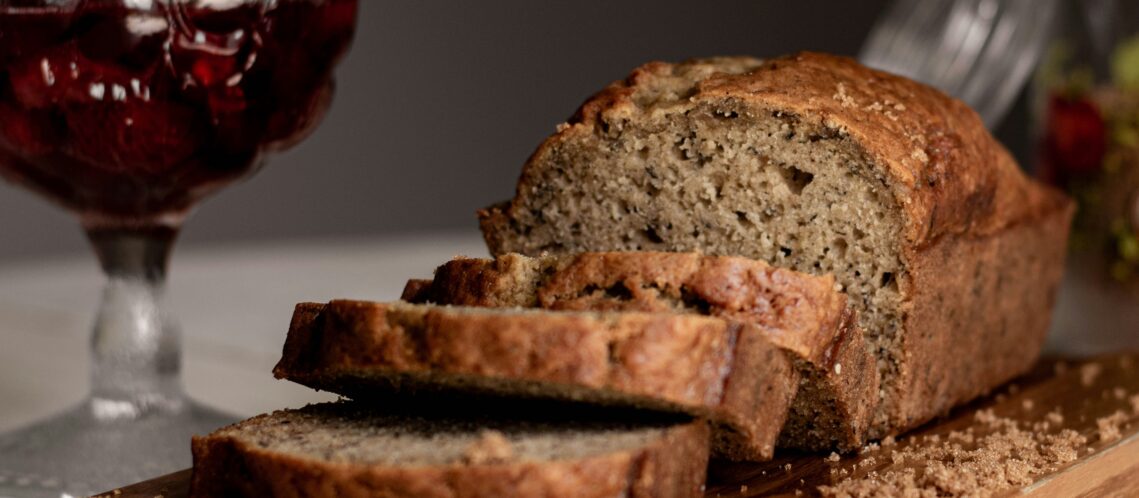
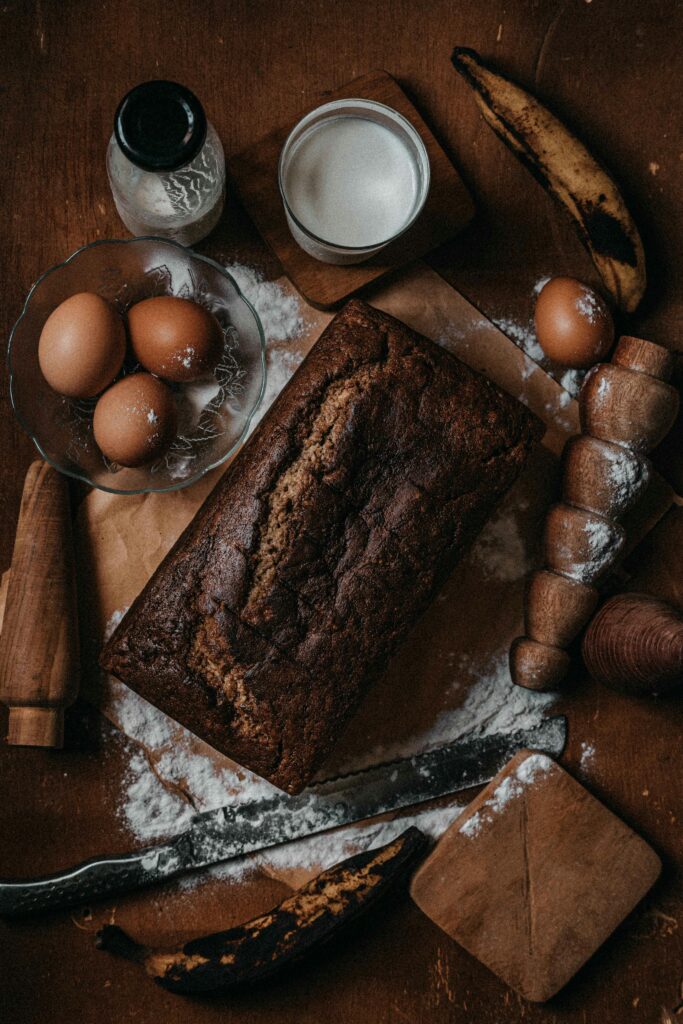
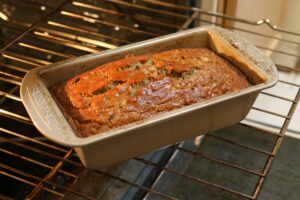
    Why You Will Love This Ultimate Foolproof Banana Bread

    How to Make the Best Moist Marble Pound Cake

    How to Make the Best Moist Marble Pound Cake

    Moist Marble Pound Cake — A Classic Where Softness Meets Deep Flavor

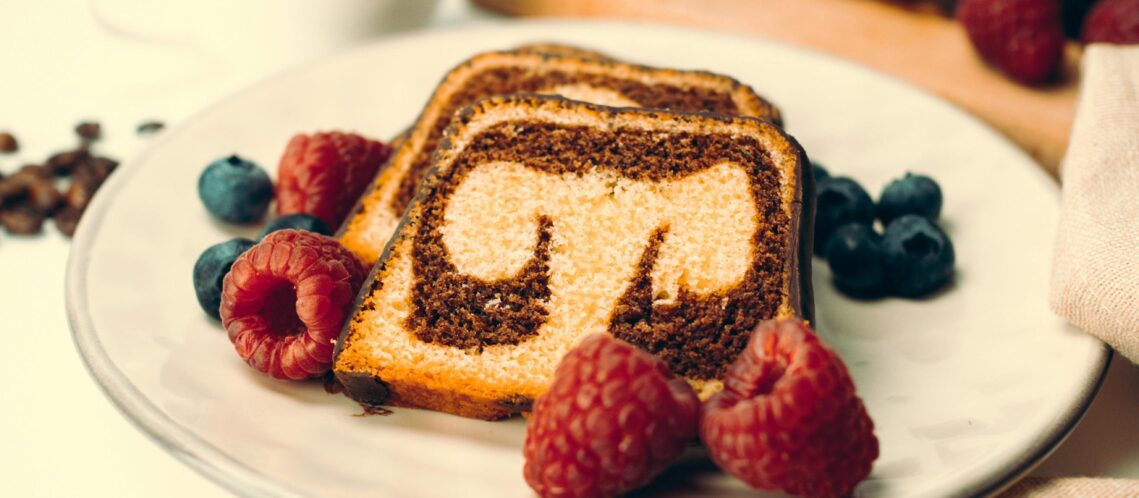
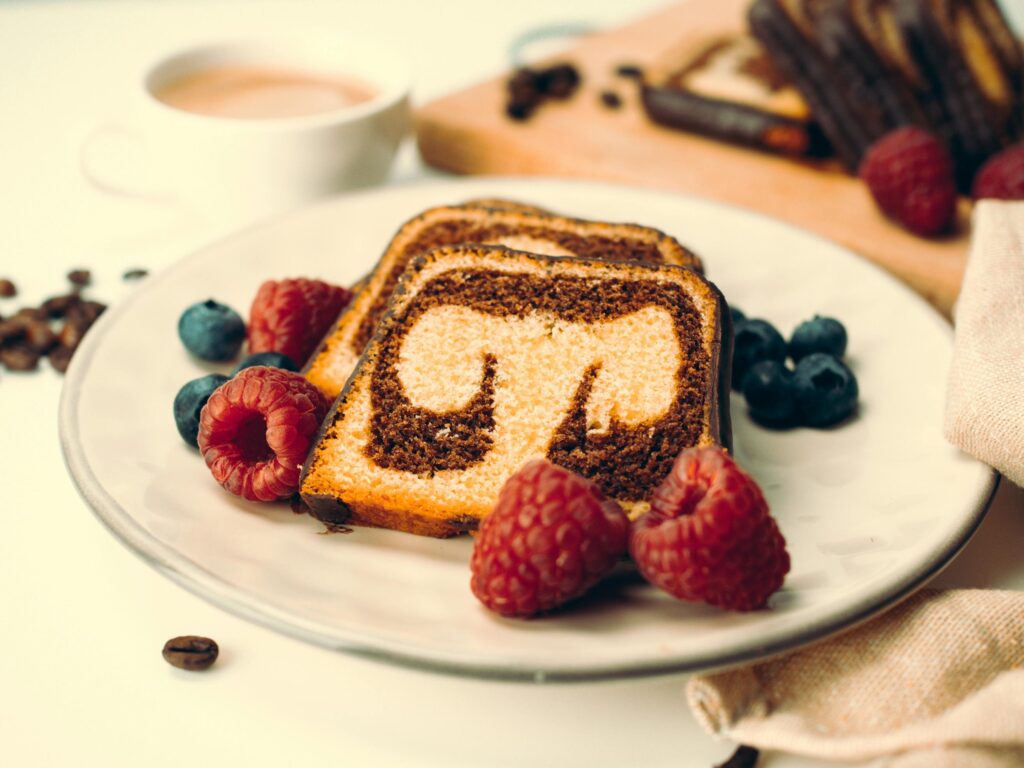
    A moist marble pound cake is the beautiful meeting point of vanilla’s soft warmth and chocolate’s deep richness, blending effortlessly into a single slice. From the moment you swirl the batters together to the moment it rises in the oven, the curves and waves of the two colors create patterns that look like tiny edible artworks.

    The crust bakes up lightly crisp and fragrant, while the inside stays tender and moist. With every bite, the cozy sweetness of vanilla and the bold depth of chocolate take turns revealing themselves. It pairs wonderfully with coffee, and its striking appearance makes it a perfect gift that delights anyone who receives it.

    🛠️Tools List

    Kitchen Aid Stand Mixer

    Mixing Bowl

    Silicone Spatula

    Digital Scale

    Sifter

    Loaf Pan

    Parchment Paper

    Paring Knife

    Silicone Brush

    Cooling Rack


    📝 Ingredients List (Copy & Save!)

    453g Unsalted Butter

    430g Sugar

    453g Cake Flour

    453g Eggs

    15g Unsweet Cocoa Powder

    60g Callebaut D811 Dark Chocolate

    50ml Whole Milk OR Heavy Cream

    5ml Vanilla Extract

    2.5g Salt

    5g Baking Powder

    How to Make the Best Moist Marble Pound Cake

    Sweet Caroline’s Kitchen recipes here.

    The Charm of Marble Swirls

    Visual Beauty

    Cutting into the loaf reveals natural, flowing marble patterns that never fail to impress.

    Harmony of Two Flavors

    The gentle vanilla and the rich chocolate alternate beautifully, creating a flavor that never feels repetitive.

    Contrast in Texture

    The chocolate portion tends to be slightly richer and moister, while the vanilla portion stays light and soft.

    Endless Variations

    You can add orange zest, espresso powder, rum, or other accents to create your own unique version of a marble cake.

    Makes a Marble Pound Cake Moist and Perfect

    1. The Right Fat Balance

    Butter brings richness, but adding a touch of oil or melted chocolate keeps the crumb moist for days. This is why bakery‑style marble cakes stay soft even on the second day.

    2. Proper Mixing Technique

    Overmixing can make the cake dense. Creaming the butter and sugar thoroughly, then folding the flour gently, creates that soft, melt‑in‑your‑mouth texture.

    3. Moisture‑Boosting Ingredients

    A spoonful of sour cream, yogurt, or milk adds tenderness and prevents dryness. The chocolate batter especially benefits from added moisture to stay fudgy and rich.

    4. Slow, Even Baking

    Marble pound cakes bake best at a slightly lower temperature. This keeps the swirl pattern clean and prevents the cake from drying out.

    Perfect Pairings

    A moist marble pound cake pairs beautifully with:

    • A warm cup of coffee or latte
    • Lightly sweetened whipped cream
    • A drizzle of chocolate ganache
    • Fresh berries for a refreshing contrast

    It’s the kind of cake that feels both nostalgic and elegant— simple enough for everyday baking, yet impressive enough for gifting.

    This traditional bakery-style treat is the ultimate easy recipe for home baking. Whether you are a beginner or an experienced baker, making this classic pound cake brings pure joy to your tea time.

    How do you keep a marble pound cake moist?

    To keep your marble pound cake incredibly moist, ensure you don’t overmix the batter after adding the cake flour. Additionally, storing the cake in an airtight container at room temperature keeps the crumb tender and prevents it from drying out for days.

    Why is my marble cake dense or heavy?

    A dense pound cake usually happens if the butter and sugar weren’t creamed long enough, or if the eggs were added too quickly, causing the batter to separate.

    Make sure your ingredients are at room temperature to achieve that perfect, fluffy bakery texture.

    How to Melt Callebaut D811 Chocolate Safely

    Chocolate is highly sensitive to heat. If it gets too hot, it can burn or become clumpy. Follow these steps for a perfectly smooth melt.

    Method 1: Using a Microwave (Quickest & Easiest)

    The key to microwave melting is heating in short bursts to prevent the chocolate from burning.

    Total Time: 1.5 to 2 minutes
    Instructions:
    Place 60g of Callebaut D811 chocolate into a microwave-safe bowl.
    1. Microwave for 30 seconds, then take it out and stir gently with a spatula. (It might not look melted yet, but the heat is starting to distribute.)
    2. Microwave for another 20 to 30 seconds, then stir again, breaking up any large lumps.
    3. From this point, microwave in 10-second intervals only. Stir well between each burst until the remaining chunks melt completely from the residual heat.

    Method 2: Using a Double Boiler (The Professional Standard)

    This is the safest method as it uses gentle steam heat, preserving the rich flavor of the chocolate.

    • Total Time: 3 to 5 minutes
    • Instructions:
      1. Fill a small pot with a bit of water and bring it to a boil. As soon as it starts bubbling, turn off the heat completely. (Continuous boiling will overheat the chocolate.)
      2. Place your bowl of chocolate securely on top of the pot.
      3. ★CRITICAL NOTE: Make sure not a single drop of water or steam gets into the chocolate bowl. Even a tiny bit of moisture will cause the chocolate to “seize” and turn into a stiff, grainy paste.
      4. Stir slowly and constantly with a silicone spatula until the gentle residual steam melts the chocolate into a smooth, glossy liquid.

    Whichever method you choose, let the melted chocolate sit on the counter until it cools down to lukewarm (around body temperature, 35–38°C). Test a tiny drop on the back of your hand—it should feel neither hot nor cold. Once it reaches this temperature, it is safe to fold into your 1/3 cake batter without cooking the eggs!

    Important Temperature Check Before Mixing

    Since this recipe uses real chocolate (Callebaut D811), the chocolate marble parts will bake up with a fudgier, richer, and more brownie-like texture compared to the light vanilla base. For the absolute best flavor, wrap the completely cooled cake tightly and let it rest until the next day—the moisture from the butter and chocolate will distribute evenly, making it incredibly moist and rich!

    How to Make the Best Moist Marble Pound Cake

    Best Moist Marble Pound Cake

    Prep Time 30 minutes
    Cook Time 40 minutes
    Cooling 10 minutes
    Course Breakfast, Dessert, Snack, Tea Time
    Cuisine British
    Servings 2 Loafs

    Equipment

    • 1 KitchenAid OR Hand Mixer
    • 2 Mixing Bowls
    • 1 Silicone Spatula
    • 1 Digital Scale
    • 1 Sifter
    • 1 Loaf Pan 9×5
    • 1 Parchment Paper
    • 1 Paring Knife
    • 1 Silicone Brush
    • 1 Cooling Rack

    Ingredients
      

    • 453 g Unsalted Butter
    • 430 g Sugar
    • 453 g Cake Flour
    • 453 g Eggs 7-8 ea
    • 5 g Baking Powder
    • 2.5 g Salt
    • 5 ml Vanilla Extract
    • 50 ml Whole Milk OR Heavy Cream
    • 15 g Unsweetened Cocoa Powder
    • 60 g Callebaut D811 Dark Chocolate
    • 15 ml Whole Milk OR Heavy Cream

    Instructions
     

    • Prepare the Pan
      Grease a loaf pan and line it with parchment paper.
      Preheat the oven to 325°F(165-170°C ).
    • Melt 60g of Callebaut D811 chocolate
      Use a double boiler or microwave, then let it cool until it is lukewarm (around body temperature). Note: If it’s too hot, it may cook the eggs in the batter!
    • Cream Butter and Sugar
      In a large bowl, beat the softened unsalted butter (453g) and sugar (430g) together until the mixture becomes light, fluffy, and pale ivory in color.
    • Incorporate Eggs
      Add the eggs (7–8 count, 453g) one at a time, mixing thoroughly after each addition to prevent the batter from separating. Stir in the vanilla extract (5ml).
    • Fold Dry Ingredients & Milk: Sift together the cake flour (453g), baking powder (5g), and salt (2.5g). Add this dry mixture to the batter in portions, alternating with the first pour of milk (50ml). Mix gently with a spatula just until no raw flour is visible—do not overmix.
    • Dividing the Batter & Creating the Chocolate Marble(Use 2nd Milk)
      Separate 1/3 of the Batter: Transfer about 1/3 of the completed vanilla batter into a separate mixing bowl.
      Blend Chocolate Elements
      Add the unsweetened cocoa powder (15g) and the melted, lukewarm Callebaut D811 dark chocolate (60g) into the separated 1/3 batter.
      Adjust Consistency
      To keep the chocolate portion from getting too dense or stiff from the cocoa powder, pour in the additional splash of milk (15ml). Mix until the chocolate batter is completely smooth and matches the consistency of the vanilla base.
    • Layer & Swirl: Alternately spoon the vanilla and chocolate batters into your prepared loaf pan. Run a skewer or a butter knife gently through the layers in a large 'S' shape 2 to 3 times to create a beautiful marble pattern.
    • Bake
      Bake in your preheated oven at 325°F (165–170°C) for about 40 minutes, or until a toothpick inserted into the center comes out clean.
    • Serve
      Slice and enjoy with coffee, whipped cream, Ice Cream or fresh berries.
    Keyword 1:1:1:1, 1LB, Baking, Baking for Beginners, Beginner, Chocolate, Classic, Classic Pound Cake, Coco Powder, Cream, Easy Recipe, Home Baking, Loaf, Moist, Moist Pound Cake, Pound Cake, Tea Time, Traditional

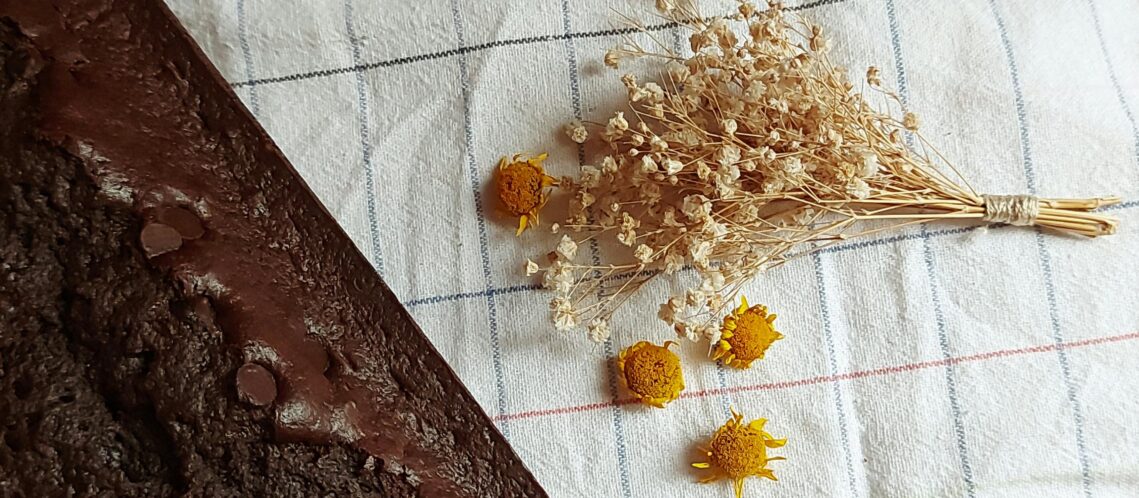
    A close-up, overhead view of a freshly baked, rich chocolate pound cake loaf resting on a rustic white and red plaid cloth, lightly dusted with cocoa powder and chocolate shavings.

    How to Make the Perfect Chocolate Pound Cake

    Chocolate Pound Cake — A Deep, Rich, and Timeless Chocolate Loaf

    If you are looking for the absolute best Chocolate Pound Cake, this easy bakery-style recipe delivers pure satisfaction in every single slice

    With the buttery aroma of a classic pound cake and the deep flavor of cocoa, Chocolate Pound Cake is one of those desserts that never goes out of style. The crust bakes up slightly crisp while the inside stays tender and moist, making it perfect with a cup of coffee, as an afternoon snack, or even as a thoughtful homemade gift.

    If you love chocolate, this loaf delivers pure satisfaction in every slice. And while it bakes, the warm chocolate aroma fills your kitchen like a cozy little bakery.

    Sweet Caroline’s Kitchen recipes here.

    Why This Chocolate Pound Cake Is So Irresistible

    • Deep, rich cocoa flavor Using high‑quality cocoa powder and melted dark chocolate creates a fuller, more complex taste.
    • Soft, moist crumb Properly creaming the butter and sugar helps the cake rise beautifully and stay tender.
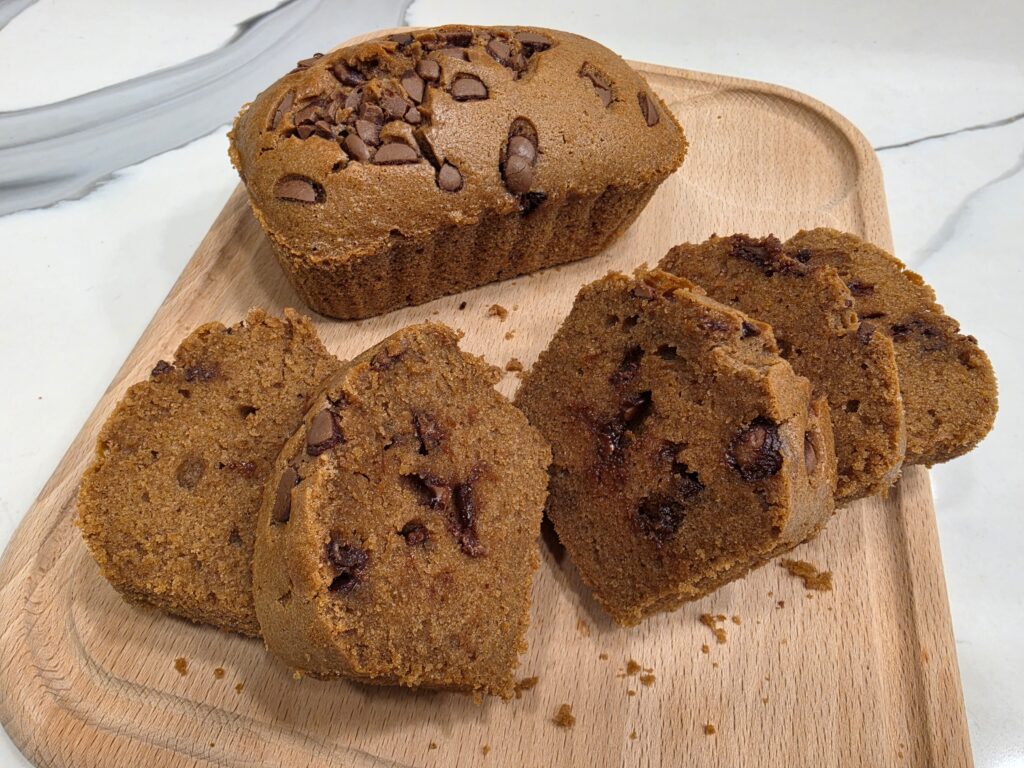
    • Endless variations Add chocolate chips, walnuts, orange zest, or a splash of rum to make it your own.
    • Great for gifting and storing The flavor actually improves the next day, and it freezes well too.

    🛠️Tools List

    Kitchen Aid Stand Mixer : This isn’t just for mixing; it’s for aeration. Properly creaming your butter and sugar creates tiny air pockets that give the cake its signature tender and moist crumb.

    Mixing Bowl : These are your workspace for chemistry. Using two separate bowls (one for wet, one for dry) ensures that you can combine ingredients evenly without overmixing, which is crucial for a tender crumb.

    Silicone Spatula : This allows you to fold ingredients gently, ensuring you don’t deflate all that precious air you’ve worked so hard to incorporate.

    Digital Scale : Baking relies on precise ratios. Unlike measuring cups, a scale ensures consistent results every single time, which is the hallmark of a great baker.

    Sifter : Sifting doesn’t just remove lumps; it aerates your dry ingredients, ensuring a silky, uniform batter and a lighter final texture.

    Mini Loaf Pan : Beyond just holding the batter, the size of the pan determines the heat distribution. Mini loaf pans allow for a faster, more uniform bake, resulting in a perfectly crisp crust and a moist interior without drying out the edges.

    Parchment Paper : This is your “insurance policy” against sticking. It ensures that your cake releases cleanly from the pan, keeping that beautiful, smooth exterior intact and making cleanup effortless.

    Cooling Rack : This is vital for the final texture. If a cake stays in the pan or sits on a flat surface while cooling, steam gets trapped, making the bottom soggy. A rack allows air to circulate underneath, letting the steam escape and ensuring the crust stays perfectly crisp.


    📝 Ingredients List (Copy & Save!)

    453g Unsalted Butter : Beyond its rich flavor, butter is essential for aeration. When whipped, it traps air that expands in the oven, creating a tender, light texture.

    430g Sugar : It does more than sweeten! Sugar helps incorporate air during the creaming process and caramelizes in the oven to form that beautiful, fragrant golden crust.

    453g Cake Flour : Unlike all-purpose flour, cake flour has a lower protein content, which minimizes gluten formation. This is the secret to achieving that signature delicate, tender, and soft crumb that defines a high-quality pound cake. It prevents the cake from becoming too dense or chewy, ensuring a light, velvety texture in every bite.

    Sweet Caroline’s Tip

    Don’t have cake flour on hand? You can make a perfect substitute by taking 1 cup of all-purpose flour, removing 2 tablespoons, and replacing them with 2 tablespoons of cornstarch. Sift this mixture 2–3 times, and you’re ready to bake!

    453g Eggs : These act as the glue of your cake. They emulsify the fats and liquids, providing structure and stability to the batter.

    15g Unsweet Cocoa Powder : ensures your cake is beautifully dark and has that unmistakable, intoxicating chocolate scent.

    60g Callebaut D811 Dark Chocolate : ensures that the cake remains incredibly moist, rich, and has that professional “fudgy” quality.

    320g Semi-Sweet Mini Chocolate chips

    50ml Whole Milk OR Heavy Cream : It balances the dry ingredients, preventing the batter from becoming too stiff. Using heavy cream adds a touch of extra fat, which results in a more luxurious, velvety crumb that feels incredibly indulgent on the palate.

    5ml Vanilla Extract : Vanilla is the secret to making chocolate taste more like chocolate. Just like a pinch of spice in a savory dish, vanilla enhances the aromatic profile of the cocoa, creating a more complex and rounded chocolate experience.

    2.5g Salt : Salt is the ultimate secret weapon in baking. It doesn’t make the cake taste salty; instead, it cuts through the sweetness and “wakes up” the deep, bitter, and rich notes of the chocolate. Without it, a chocolate cake can often taste flat or one-dimensional.

    5g Baking Powder : This is your leavening agent. It reacts to the heat of the oven to ensure your pound cake, while dense and rich, remains perfectly airy and light.

    How It’s Made — The Basic Process

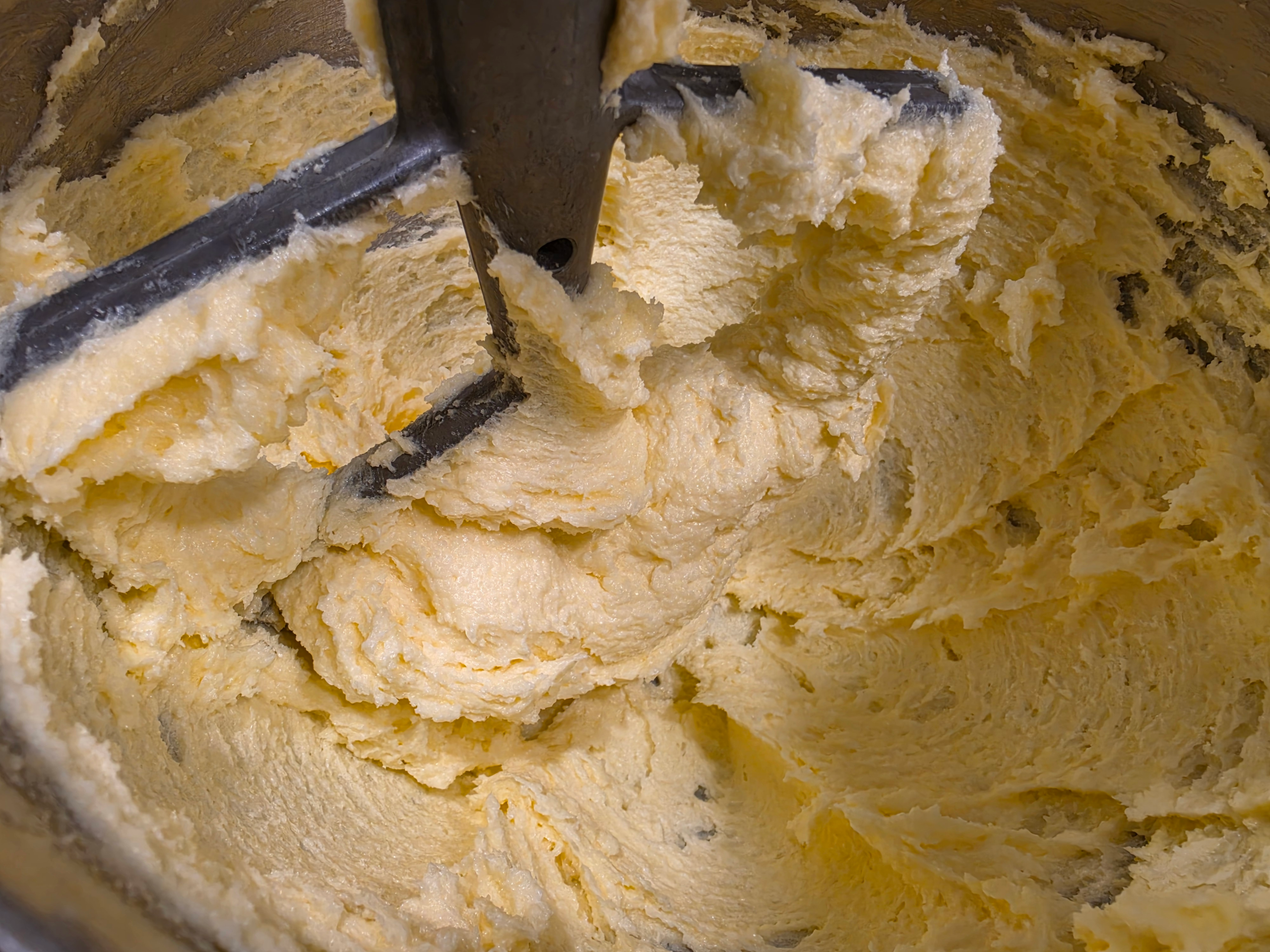
    1. Cream the butter and sugar thoroughly Whip for 3–5 minutes until pale and fluffy. This step gives the cake its soft texture.
    2. Add eggs one at a time Adding them slowly prevents the batter from curdling and keeps the texture smooth.
    3. Sift the cocoa powder and dry ingredients Cocoa tends to clump, so sifting ensures a silky batter.
    4. Mix in melted dark chocolate This intensifies the flavor and keeps the loaf moist.
    5. Pour into the pan and smooth the top Create a shallow line down the center with a spatula for a beautifully split top.
    6. Bake low and slow 170°C (340°F) for 50-60 minutes. Chocolate pound cakes stay moister when baked gently.

    Sweet Caroline’s Tip

    • Use high‑quality unsweetened cocoa powder It gives the cake a deeper, more defined chocolate flavor.
    • Choose dark chocolate between 55–70% This range melts smoothly into the batter and adds richness without overpowering sweetness.
    • Avoid overmixing once the dry ingredients go in Gentle mixing keeps the crumb tender and prevents the cake from becoming dense.
    • Let the cake rest for a day if you can The chocolate flavor settles, deepens, and becomes even more pronounced the next day.
    • Coat the chocolate chips with a small amount of flour This helps prevent them from sinking to the bottom of the batter, keeping the chocolate evenly distributed throughout the cake.

    The Aesthetics of Ingredients — The Small Details That Shape Flavor

    A truly great chocolate pound cake isn’t just a mixture of ingredients. It’s the result of understanding the unique character, beauty, and harmony of each component. Every ingredient—its aroma, texture, temperature, and color—plays a role in defining the final cake. These subtle differences create depth, balance, and a flavor that lingers.

    Butter — The Breath of the Cake

    Softened butter, whipped at the right temperature, becomes airy and light as it traps tiny bubbles. These pockets of air expand in the oven, creating a moist, tender crumb. The temperature and texture of the butter aren’t just technical details—they are aesthetic choices that shape the cake’s personality.

    Sugar — More Than Sweetness

    Sugar does far more than sweeten. When creamed with butter, it helps incorporate air, and during baking, it caramelizes to create a golden, fragrant crust. The balance of sweetness you taste begins with the grain size and precise amount of sugar you choose.

    Eggs — The Art of Connection

    Eggs bind the batter, emulsify the mixture, and give structure. Adding them slowly isn’t just a step in the recipe—it’s a gentle rhythm that helps the ingredients blend naturally. It’s the quiet art of bringing everything together.

    Cocoa & Chocolate — Depth in Dark, Beautiful Shades

    Cocoa powder brings a dry, slightly bitter edge, while melted dark chocolate adds smooth richness and body. Together, they create the layered, complex flavor that defines a true chocolate pound cake. The quality of the chocolate and the intensity of the cocoa become the cake’s signature identity.

    Flour & Leavening — The Invisible Structure

    Flour and baking powder form the unseen framework of the cake. Overmixing makes it tough, while gentle mixing keeps it soft. This delicate balance is a kind of aesthetic intuition shaped by experience and touch.

    Ultimately, the Aesthetics of Ingredients Begin With Understanding

    Baking isn’t just combining ingredients. It’s about understanding their nature, aroma, temperature, texture, and color, and guiding them into harmony with care.

    Chocolate pound cake is one of the desserts where this aesthetic shines the brightest. When each ingredient is allowed to express its true character, you get a cake that is deep, rich, and beautifully complete.

    Differences Between Using Couverture Chocolate and Cocoa Powder

    1) Fat Content — The Core of Flavor and Texture
    • Couverture Chocolate Contains a high percentage of cocoa butter (31% or more), giving it a smooth, glossy, melt‑in‑your‑mouth texture. When added to batter, it creates a moist, rich, dense crumb.
    • Cocoa Powder Most of the fat has been removed, so it has a dry, intense, slightly bitter flavor. It makes cakes lighter, firmer, and more structured.
    2) Flavor Profile
    • Couverture Chocolate Offers a full spectrum of chocolate notes—sweetness, bitterness, acidity, and cocoa butter aroma. The result is a deep, complex, luxurious chocolate flavor.
    • Cocoa Powder Delivers a sharp, clean, pronounced chocolate aroma. It intensifies flavor but doesn’t provide the creamy richness that couverture does.
    3) Effect on Batter
    • With Couverture Chocolate:
      • Adds moisture
      • Creates a soft, velvety crumb
      • Produces a richer, denser texture
      • Gives the baked cake a darker, shinier finish
    • With Cocoa Powder:
      • Creates a more stable, firm structure
      • Gives a uniform dark color
      • Enhances aroma but can make the cake drier
      • Often requires adjusting butter or milk to compensate for low fat

    4) Role in Baking
    • Couverture Chocolate = Flavor + Texture + Moisture Ideal for pound cakes, brownies, ganache, glazes, and rich chocolate desserts.
    • Cocoa Powder = Aroma + Color + Structure Perfect for cakes, cookies, sponges, macarons, and recipes relying on dry ingredients.

    Sweet Caroline’s Tip

    Optimal Ratio for Using Couverture Chocolate + Cocoa Powder
    Base Ratio (Most Balanced, Deep Flavor)

    Cocoa Powder : Couverture Chocolate = 1 : 2 Example: 30g cocoa → 60g couverture → Cocoa provides aroma + color, while couverture adds moisture + depth.

    Richer, More Intense Version (Maximum Chocolate Flavor)

    1 : 2.5 Example: 30g cocoa → 75g couverture → Creates a fudgy, brownie‑like richness and gives the pound cake a true bakery‑style intensity.

    Lighter Chocolate Pound Cake (Less Dense, Softer Texture)

    1 : 1.5 Example: 30g cocoa → 45g couverture → Still flavorful, but the texture becomes lighter, softer, and fluffier.

    Why These Ratios Work

    Role of Cocoa Powder
    • Enhances aroma and color
    • Provides structure to the batter
    • Forms the “backbone” of chocolate flavor

    Role of Couverture Chocolate
    • Adds moisture and a soft, velvety crumb
    • Provides a melt‑in‑your‑mouth richness
    • Gives the cake its body and sheen

    When used together, cocoa (aroma) + couverture (moisture) + their combined depth create a perfectly balanced chocolate flavor.

    Chocolate Pound Cake

    This chocolate pound cake blends deep cocoa richness with melted dark chocolate to create a moist, tender crumb wrapped in a lightly crisp crust. Each slice delivers a full, layered chocolate flavor that feels both comforting and indulgent, filling your kitchen with a warm bakery‑style aroma as it bakes. A timeless loaf perfect for coffee breaks, gifting, or any moment that calls for pure chocolate satisfaction.
    Prep Time 30 minutes
    Cook Time 45 minutes
    Cooling 10 minutes
    Course Breakfast, Dessert, Snack, Tea Time
    Cuisine British
    Servings 4 Loafs

    Equipment

    • 1 Stand Mixer or Hand Mixer
    • 2 Mixing Bowls
    • 1 Silicon Spatula
    • 1 Fine Mesh sieve
    • 4 Mini Loaf Pan
    • 1 Parchment Paper
    • 1 Scale
    • 1 Cooling Rack

    Ingredients
      

    • 170 g Unsalted Butter
    • 170 g Sugar
    • 150 g Eggs 3EA
    • 120 g Cake Flour
    • 40 g Sifted Unsweetened Cocoa Powder
    • 3 g Baking Powder
    • 1 g Salt
    • 50 g Melted Dark Chocolate Couverture (55-70%)
    • 50 ml Milk or Heavy Cream
    • 5 g Vanilla Extract
    • 320 g Semi-Sweet Mini Chocolate Chips 80gx4

    Instructions
     

    • Prep
      Preheat oven to 325°F (163°C )
      Line a Mini 4 Loaf Pan with parchment.
    • Cream butter & sugar
      Beat butter and sugar for 4–5 minutes until pale, fluffy, and airy.
    • Add eggs
      Add eggs one at a time, mixing well after each addition.Add vanilla.
    • Dry ingredients
      Sift flour, cocoa powder, baking powder, and salt.
    • Combine
      Add dry ingredients to the butter mixture in two additions.Add heavy cream/milk and mix just until combined.
    • Fold in chocolate chips
      Add 80 g chocolate chips and gently fold with a spatula. Lightly coating with
      1tsp flour.
    • Bake
      Pour into the loaf pan.
      Bake 45 minutes, or until a skewer comes out with moist crumbs.
    • Cool
      Cool in the pan for 10 minutes, then transfer to a rack.
    Keyword 1LB, Baking, Baking for Beginners, Beginner, Chocolate, Cocoa Powder, Cream, Easy Recipe, Egg, Home Baking, Loaf, Moist, Pound Cake, Tea, Tea Time

    Sweet Caroline’s Kitchen recipes here.

    Classic moist pound cake recipe for beginners

    The Real Secret to a Sensational Classic Moist Pound Cake

    A classic moist pound cake is more than just a recipe; it is a definitive masterpiece that wins you over with its compact density and rich, velvety texture. Often called the true backbone and pinnacle of home baking, this cake is a testament to the beauty of simplicity. But have you ever wondered how to turn those basic ingredients into an unforgettable gourmet experience? Whether you are a beginner looking to master the basics or a seasoned baker refining your craft, let’s explore the history behind the legendary 1:1:1:1 ratio and the fine, delicate techniques that transform a simple loaf into a timeless classic.

    1. The History: The 1:1:1:1 Rule Originating in 18th-century Britain, the pound cake was named for its iconic, easy-to-remember formula: one pound each of flour, sugar, butter, and eggs. This high fat and sugar content acted as a natural preservative, keeping cakes fresh for days before the invention of modern refrigeration. Today, this ratio remains the gold standard for structural integrity and richness.

    2. Expert Techniques for the Perfect Loaf Even with simple ingredients, technique is everything. Here is how to avoid common pitfalls:

    • The Power of Room Temperature: Ensure your butter, eggs, and milk are at room temperature. Cold ingredients prevent proper emulsification, leading to a curdled batter and a dense, heavy texture.
    • The Art of Creaming: Beat the butter and sugar for a full 3 to 5 minutes. This creates the essential air pockets needed for a natural rise without relying solely on leavening agents.
    • The Signature “Belly” Crack: To achieve that artisanal golden peak, score the top of the batter with a buttered knife about 10–15 minutes into baking. This controls the vent point and guides the rise perfectly.

    3. Choosing Your Liquid: Milk vs. Heavy Cream

    • Whole Milk: Keeps the crumb “true” to the traditional style—lightly dense, clean, and perfectly balanced.
    • Heavy Cream: Adds extra milk fat, resulting in a deeper, velvety flavor and a moist crumb that stays soft for days.

    4. Modern Variations Once you’ve mastered the classic, don’t be afraid to innovate. Add lemon zest for brightness, matcha for a sophisticated earthy note, or chocolate chips for an indulgent twist. You can even bake them in mini molds for individual, café-style servings.

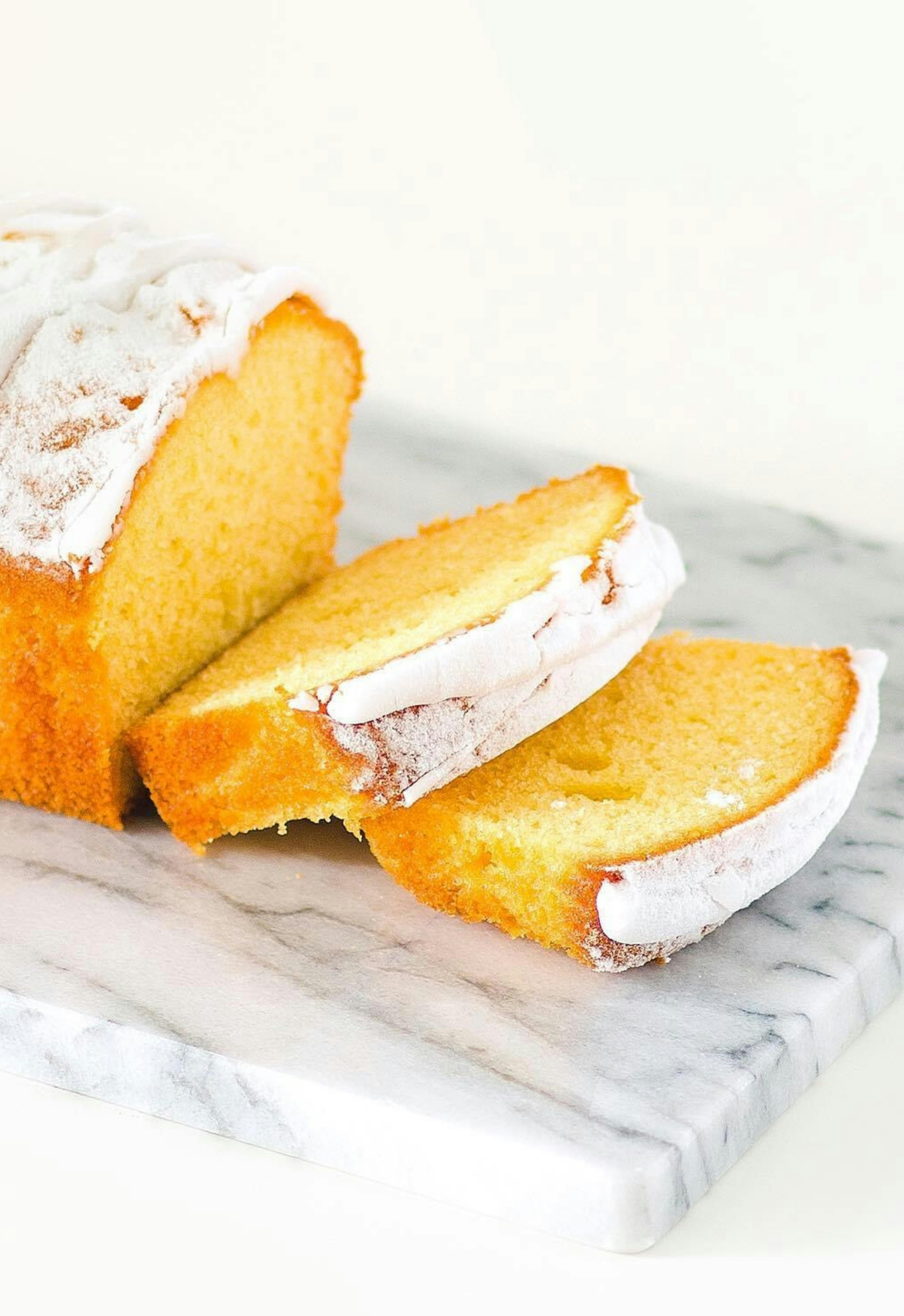
    Moist traditional pound cake sliced on wooden board

    Close-up of a moist pound cake slice showing its dense, velvety crumb texture.

    1. The History of Pound Cake: The 1:1:1:1 Rule

    Ever wondered where the name comes from? It’s brilliantly simple.

    Originating in the 18th century Britain, sugar and butter were luxuries, making this cake a true indulgence.

    Before refrigeration existed, its high sugar and fat content acted as a natural preservative—allowing the cake to stay fresh for days.

    The cake was made with one pound each of flour, sugar, butter, and eggs.

    • The Traditional Formula 1 lb Flour + 1 lb Sugar + 1 lb Butter + 1 lb Eggs = 4 Pounds of Happiness
    • The Original Preservationist: Before refrigeration, the high sugar and butter content acted as natural preservatives, keeping the cake fresh for a remarkably long time.

    If you love traditional treats, don’t forget to check out my Classic Plain Scone recipe too!

    2. Why We Love the Pound Cake

    Better with Time: Letting it rest for 24 hours allows the butter’s aroma and moisture to settle beautifully.

    Endless Variations: Lemon zest, matcha, chocolate chips, dried fruits—its simplicity makes it endlessly adaptable.

    Pure, Honest Comfort: Unlike airy sponge cakes that rely on frosting, a pound cake wins you over with its rich, velvety density. Every single bite delivers a deeply satisfying, rustic warmth that pairs perfectly with your favorite cup of tea.

    The Ultimate Beginner-Friendly Masterpiece: With its straightforward ratios, it is incredibly forgiving for home bakers, yet yields a bakery-quality loaf that looks and tastes effortlessly elegant

    And while its charm lies in simplicity, achieving that perfect texture and flavor depends on a few surprisingly delicate techniques.

    3. Global Variations: One Recipe, Many Faces

    The “1:1:1:1” ratio traveled the world and evolved into beloved regional styles

    CountryName & Characteristics
    FranceQuatre-Quarts / Week-end: Literally “Four-Quarters.” Often glazed with lemon syrup and icing, designed to be enjoyed during a weekend outing.
    USASouthern Style: Often adds sour cream or cream cheese to the traditional recipe for an extra moist, rich, and dense texture.
    GermanySandkuchen: Meaning “Sand Cake.” Replacing part of the flour with starch gives it a fine, crumbly texture that melts like sand in the mouth.
    MexicoPanqué: A popular everyday bread often loaded with walnuts or dried fruits and topped with a sprinkle of sugar.

    4. The “Fine Details” for a Perfect Classic Moist Pound Cake

    When a recipe is this simple, technique becomes everything.
    Here are the essential details that determine whether your loaf turns out good—or exceptional.

    Room Temperature Matters Butter, eggs, and even flour should be at room temperature to avoid curdling and ensure a smooth batter.

    The Signature “Belly” Crack That beautiful split on top is the hallmark of a well‑baked pound cake. About 10–15 minutes into baking, score the top to guide the crack elegantly.

    Why It Cracks The dense batter sets on the outside first, while steam escapes from the center—creating that golden peak we all love.

    Glazing Brushing the warm cake with sugar syrup or a splash of liqueur locks in moisture and elevates the aroma.

    These small details are what transform a good loaf into an exceptional classic moist pound cake.

    While the classic moist pound cake remains a timeless favorite, modern cafés have reimagined this beloved treat with gourmet twists.

    Baking a classic moist pound cake with these modern twists allows you to enjoy both tradition and innovation at the same time.

    • Decorative toppings like creams, edible flowers, and fruit compotes
    • Gluten‑free versions using rice or almond flour, and vegan versions using coconut oil, are increasingly popular.
    • Mini pound cakes for elegant individual servings

    Sweet Caroline’s Kitchen recipes here.

    🛠️Tools List

    Kitchen Aid Stand Mixer

    Mixing Bowl

    Silicone Spatula

    Digital Scale

    Sifter

    Loaf Pan

    Parchment Paper

    Paring Knife

    Silicone Brush

    Cooling Rack


    📝 Ingredients List (Copy & Save!)

    453g Unsalted Butter

    453g Sugar

    453g Cake Flour

    453g Eggs

    50ml Whole Milk OR Heavy Cream

    5ml Vanilla Extract

    2.5g Salt

    Classic moist pound cake recipe for beginners

    Classic Pound Cake

    A classic buttery pound cake with a dense, velvety crumb and deep flavor. This easy, foolproof recipe uses the traditional 1:1:1:1 ratio and delivers a moist, bakery‑style loaf perfect for beginners and home bakers. Customize with lemon, matcha, chocolate, or nuts for endless variations.
    Prep Time 30 minutes
    Cook Time 40 minutes
    Cooling 10 minutes
    Course Breakfast, Dessert, Snack, Tea Time
    Cuisine British
    Servings 4 Loafs

    Equipment

    • 1 Kitchen Aid Stand Mixer
    • 2 Mixing Bowls
    • 1 Silicon Spatula
    • 1 Scale
    • 1 Sifter
    • 4 MIini Loaf Pans
    • 4 Parchment Paper
    • 1 Paring Knife
    • 1 Silicon Brush
    • 1 Cooling Rack

    Ingredients
      

    • 453 g Unsalted Butter
    • 453 g Sugar
    • 453 g Cake Flour
    • 453 g Eggs
    • 50 ml Whole Milk OR Heavy Cream Room temperature
    • 5 ml Vanilla Extract
    • 2.5 g Salt
    • 5 g Baking Powder

    Instructions
     

    • Prep & Preheat
      oven to 325°F (160°C). Divide the batter evenly into 4 mini loaf pans lined with parchment paper.
    • Cream butter & sugar
      Beat softened butter and sugar for 3–5 minutes until pale and fluffy.
    • Add eggs
      Add eggs little by little, mixing well after each addition. Add vanilla.
      Scrape the bowl & mix well.
    • Mix dry ingredients
      Sift the flour, baking powder, and salt into a separate bowl
    • Combine
      Add dry ingredients to the wet mixture in two additions, mixing on low.
      Add milk or cream and fold gently.
    • BakePour batter into the pan.
      Bake 45 minutes until a skewer comes out with moist crumbs.
    • CoolCool in the pan for 10 minutes, then transfer to a cooling rack to cool completely.
    Keyword 1:1:1:1, Baking, Baking for Beginners, Classic, Classic Pound Cake, Cream, Easy Recipe, Egg, Home Baking, Loaf, Moist Pound Cake, Traditional

    Tips for the Perfect Bite

    If you enjoy a modern, café‑style look, bake the batter in mini molds for charming individual servings—without altering the classic flavor.

    • Mindful Variations If you enjoy modern styles, try baking the batter in mini molds.

    They create charming individual servings without altering the classic flavor.

    • Health‑Conscious Options You can swap part of the flour with rice flour for a gluten‑free version, or use coconut oil for a lighter, dairy‑free twist.
    • The 2cm Rule Slice your pound cake about 2 cm thick—the ideal width to enjoy its dense, buttery crumb.
    • Perfect Pairings A bitter Americano or a warm cup of Earl Grey balances the richness beautifully.
    • The “Pan‑Sear” Trick If your cake feels slightly dry, lightly sear each side in a buttered pan for a crisp exterior and soft interior.

    Sweet caroline’s Tip

    Milk vs. Heavy Cream: Which One Should You Use?

    In this recipe, you can use either milk or heavy cream depending on the vibe you’re going for:

    • Whole Milk: Keeps the texture true to the 18th-century traditional style—lightly dense, clean, and perfectly balanced.
    • Heavy Cream: Adds extra milk fat, giving your pound cake a richer, deeply velvety flavor and a beautifully moist crumb that stays soft for days.

    Caroline’s Tip: No matter which one you choose, make sure it is at room temperature before folding it into your batter to prevent any curdling!

    Sweet Caroline’s Serving Tip

    A plain slice is perfection—but with a few touches, it becomes a plated dessert.

    • A La Mode Serve warm with a scoop of vanilla bean ice cream. The way it melts into the crumb is pure magic.
    • A Drizzle of Decadence: Warm caramel, dark chocolate syrup, lemon glaze, or pure maple syrup all elevate the experience.
    • Fresh & Vibrant: Top with macerated strawberries, blueberries, or raspberries for a bright, tart contrast.
    • The Finishing Touch: A dollop of lightly sweetened whipped cream and a sprinkle of toasted almonds or powdered sugar will make it look straight out of a patisserie.

    Conclusion


    When you’re tired of flashy, trendy desserts, nothing beats the comforting warmth of a freshly baked classic moist pound cake.

    That one heavy, flavorful bite might just be the warm hug your afternoon needs.
    Everyone has their own way of enjoying it—what’s yours?

    savory artisan olive scones

    8 Stunning Savory Artisan Olive Scones: The Ultimate Recipe

    Welcome back to Sweet Caroline’s Kitchen!

    Learn how to make the best savory artisan olive scones at home!

    After the amazing response to my savory smoked cheese scones, I wanted to share another savory favorite that often makes an appearance in my kitchen: Mediterranean-Style Olive Scones. While many think of scones as a sweet treat, these artisan savory scones prove that they can be just as decadent and satisfying when paired with the right ingredients.

    There is something truly sophisticated about the briny, earthy flavor of olives paired with a buttery, flaky scone base. These aren’t your typical sweet breakfast treats; they are bold, savory, and pair beautifully with a glass of wine, a charcuterie board, or a simple smear of cream cheese. If you appreciate artisan flavors and textures, this recipe is for you. The briny pop of olives combined with a buttery, flaky crust creates a sophisticated flavor profile that is perfect for brunch, an afternoon snack, or even as a side for your favorite soup.

    “Baking is all about bringing together simple ingredients to create something extraordinary. I hope these olive scones bring a little bit of Mediterranean sunshine to your home.

    Don’t forget to take a photo of your beautiful bakes and share them with me! I love seeing how your versions turn out. Happy baking, everyone!”

    Sweet Caroline’s Kitchen recipes here.

    Sweet Caroline’s Ingredient Tip

    Kalamata & Green Olives — Use a mix of Kalamata and stuffed green olives for deeper Mediterranean flavor.

    Drain them well and pat completely dry to prevent excess moisture in the dough. If the olives are very salty, give them a quick rinse before drying.

    I highly recommend using Kalamata olives for their rich, fruity flavor. If they are very salty, give them a quick rinse before drying.

    Cold Butter — Keep the butter very cold and cut it into small cubes. When rubbed into the flour, it should form coarse crumbs with some pea‑sized pieces remaining—this is what creates the flaky, layered texture.

    Heavy Cream & Egg Mixture — Whisk the cream and eggs until smooth before adding.

    This ensures even hydration and helps the scones rise with a tender crumb. For a truly artisan look, brush the tops with a little extra cream and sprinkle a few flakes of sea salt before popping them in the oven.

    When making these savory artisan olive scones, texture is everything.

    Leaving visible pieces of cold butter throughout the dough ensures that steam creates beautiful, airy pockets during baking.

    This results in the ultimate flaky and tender crumb that complements the bold, salty Mediterranean olives perfectly.

    Flour — Use all‑purpose flour for the right balance of structure and tenderness. Avoid overmixing once the wet ingredients go in—stop as soon as a shaggy dough forms.

    Honey — A touch of honey adds subtle depth and rounds out the briny olive flavor without making the scones sweet.

    Finishing Touch — Brush the tops with cream and sprinkle a few flakes of sea salt before baking for a true artisan look and flavor.

    This savory artisan olive scones recipe is perfect for brunch, afternoon snacks, or a refined savory treat.

    🛒 🔗 Shop This Recipe (Recommended Tools & Ingredients)

    🛠️Tools List

    Mixing Bowl

    Cutting Board

    Paring Knife

    Silicon Spatula

    Fine Mesh Strainer

    Silicone Brush

    Digital Scale

    Baking Pan

    Parchment paper

    Cooling Rack

    📝 Ingredients List (Copy & Save!)

    415g All-Purpose Flour

    18g Baking powder

    67g Unsalted Butter

    193g Eggs

    153g Heavy Cream

    59g Honey

    100g Black Olive

    100g Stuffed Green Olive


    savory artisan olive scones

    Savory Olive Scone

    Buttery, flaky scones infused with briny Kalamata and green olives for a bold Mediterranean twist—perfect for brunch, wine pairings, or a refined savory treat.
    Prep Time 30 minutes
    Cook Time 25 minutes
    30 minutes
    Course Breakfast, Snack, Soup, Tea Time
    Servings 6 EA

    Equipment

    • 2 Mixing Bowls
    • 1 Cutting Board
    • 1 Paring Knife
    • 1 Silicone Spatula
    • 1 Fine Mesh Strainer
    • 1 Silicon Brush
    • 1 Scale
    • 1 Baking Pan
    • 1 Parchment Paper

    Ingredients
      

    • 415 g All-Purpose Flour
    • 18 g Baking Powder
    • 67 g Unsalted Butter
    • 193 g Egg
    • 153 g Heavy Cream
    • 59 g Honey
    • 100 g Black Olive
    • 100 g Stuffed Green Olive

    Instructions
     

    • Prepare the Olives
      Drain the olives thoroughly and pat them dry with a paper towel. This prevents excess moisture from making the dough soggy. Roughly chop them if they are large.
    • Cut in the Butter
      Add the cold, cubed butter to the dry mix. Use a pastry cutter or your fingertips to rub the butter into the flour until the mixture resembles coarse crumbs with some pea-sized bits remaining.
    • Whisk the Wet Ingredients
      In a separate bowl or jug, whisk the eggs and heavy cream until well combined.
    • Combine and Fold
      Gently toss the dried olives into the flour mixture. Make a well in the center and pour in the wet mixture. Use a spatula to fold everything together just until a shaggy dough forms. Do not overmix.
    • Shape and Chill
      Turn the dough onto a lightly floured surface. Gently pat it into a circle about 1 inch (2.5cm) thick. For the best rise and flakiness, wrap the dough and let it rest in the refrigerator for at least 30 minutes.
    • Preheat and Bake
      Preheat your oven to 350°F (180°C). Cut the chilled dough into 8 even wedges. Place them on a baking sheet lined with parchment paper.
      Final Touch:Bake for 25 minutes, or until the scones are tall and turn a beautiful golden brown on the tops and edges.
    • Cool
      Transfer to a wire rack and let them cool slightly before serving. They are best enjoyed warm!
      savory artisan olive scones
    Keyword Baking, Black Olive, Cream, Easy Recipe, Egg, Green Olive, Kalamata, Meditrian, Olive, Scone

    Savory smoked cheese scones with flaky layers served on a plate

    How to Optimize Your Savory Smoked Cheese Scones(Perfect Flaky Layers)

    Waking up to the first day of May 2026

    A day filled with brilliant sunshine and there’s such a lovely, refreshing breeze in the air that feels just right.

    Flaky, buttery, and packed with smoky goodness! If you are tired of overly sweet dessert scones, it’s time to upgrade your baking game with these Savory Smoked Cheese Scones. With a deep smoky aroma and a perfectly salted profile, these scones are not just a great breakfast item, but they also double as the ultimate pairing for a glass of wine or cold beer.

    The secret to this recipe lies entirely in the cheese combination. It’s not just about adding flavor; it’s about understanding how different cheeses bake inside the oven to create the perfect texture. Before we jump into the kitchen, let’s look at why we chose these specific ingredients and what they do for our dough.

    Why You’ll Love These Cheese Scones

    These savory smoked cheese scones deliver a perfect harmony of crumbly texture and rich cheddar depth. The slight sweetness of the dough balances beautifully with the salty, smoky cheese, making them ideal for both coffee and tea.

    Sweet Caroline’s Tip

    Choosing the Right Cheese for Your Scone
    • Smoked Cheese (The Star): Adds a deep, bacon-like wood-smoke aroma. Since it’s a semi-hard cheese, it holds its shape beautifully inside the oven, giving you a delightful, chewy texture in every bite.
    • Cheddar Cheese (The Flavor Booster): Melts smoothly into the dough, providing a rich, savory punch and a gorgeous golden color. It keeps the inside of the scone perfectly moist.
    • Parmesan (The Texture Protector): Packed with umami but contains almost zero moisture. Grating this into your dough adds intense savory flavor without making your dough wet or sticky, preserving those crispy layers.

    The Magic of Ingredients

    Each ingredient plays a key role in creating flaky layers and deep flavor. From cold butter to smoked cheese, the combination brings out a warm, comforting aroma that fills your entire kitchen.

    Sweet Caroline’s Tips for Perfect Cheese Scones

    1) Keep Everything Cold

    Cold butter and cold liquids create those beautiful flaky layers. Handle the dough quickly so the butter doesn’t melt before baking.

    2) Add a Spicy Kick (Optional)

    Smoked spicy cheese adds depth, but aged cheddar works wonderfully if you prefer a classic flavor.

    3) Smoked Cheese Substitute

    If you don’t have smoked cheese, don’t worry. Simply use cheddar or Gouda instead and add ½ tsp of smoked paprika to bring back that rich, smoky flavor.

    Ingredient Substitutions

    • Smoked cheese → Cheddar + ½ tsp smoked paprika
    • Gouda also adds a soft, nutty richness to the scones.
    • If you prefer a bit of heat, I recommend using smoked spicy cheese.

    Baking Therapy at Home

    In our busy lives, there’s nothing more soothing than feeling flour between your fingers and watching dough rise. This cheese scone recipe is simple enough for beginners yet satisfying enough to make you feel like a professional pastry chef.

    Final Thoughts

    Savory smoked cheese scones are comforting, flavorful, and surprisingly easy to make.

    Sweet Caroline’s Kitchen recipes here.

    🛒 🔗 Shop This Recipe (Recommended Tools & Ingredients)

    🛠️Tools List

    Mixing Bowl

    Paring Knife

    Silicon Spatula

    Silicone Brush

    Digital Scale

    Baking Pan

    Parchment paper

    Cooling Rack

    📝 Ingredients List (Copy & Save!)

    415g All-Purpose Flour

    18g Baking powder

    67g Unsalted Butter

    193g Eggs

    153g Heavy Cream

    59g Honey

    100g Smoked Spicy Cheese

    100g Mozzarella Cheese

    Savory smoked cheese scones with flaky layers served on a plate

    Savory Smoked Cheese Scone

    Rich, smoky cheese melts into buttery layers to create these tender, savory scones. Each bite delivers a warm, comforting depth of flavor with a delicate crumble, making them perfect for brunch, a light meal, or a cozy afternoon treat. A rustic yet refined twist on classic cheese scones.
    Prep Time 29 minutes
    Cook Time 25 minutes
    30 minutes
    Course Breakfast, Cheese, Dessert, Scone, Snack, Soup, Tea Time
    Servings 6 EA

    Equipment

    • 2 Mixing Bowl
    • 1 Silicone Spatula
    • 1 Baking Pan
    • 1 Parchment Paper
    • 1 Silicon Brush
    • 1 Scale
    • 1 Paring Knife

    Ingredients
      

    • 415 g All-Purpose Flour
    • 18 g Baking Powder
    • 67 g Butter
    • 193 g Egg
    • 153 g Heavy Cream
    • 59 g Honey
    • 100 g Smoked Spicy Cheese
    • 100 g Mozzarella Cheese

    Instructions
     

    • Prepare the Dry Base
      In a large bowl, whisk together the flour, baking powder, and sugar. Cut the cold butter into the flour mixture using a pastry cutter or a fork until it resembles small peas.
    • Mix the Liquids
      In a separate bowl, whisk the eggs and whipping cream together until well combined
    • Fold in the Cheese: Add the shredded smoked spicy cheese and mozzarella to the dry ingredients and toss lightly to coat..Form the Dough: Make a well in the center and pour in the liquid mixture. Stir gently until just combined. Sweet Caroline's Tip: Do not overwork the dough! Stop as soon as the flour disappears to keep the scones tender.
    • Chill & Shape
      Pat the dough into a disk about 1 inch (2.5cm) thick. For the best rise, wrap it and let it rest in the fridge for 30 minutes. Cut into wedges or rounds.
    • Bake
      Preheat your oven to 350℉ (180°C). Place the scones on a baking sheet and bake for 25 minutes or until they turn a beautiful golden brown.
      Savory smoked cheese scones with flaky layers served on a plate
    Keyword Baking, Black Olive, Cheese Scone recipe, Easy Recipe, Egg, Green Olive, Home Baking, Kalamata, Meditrian, Savorsy Scones, Savory, Scone, Smoked Cheese

    moist banana bread loaf

    Banana Bread Recipe: How to Make the Best Moist Bread

    This easy moist banana bread recipe is the ultimate guide to making a super tender and delicious loaf at home.

    While many people focus only on the ingredients, the secret to a truly perfect and safe bake starts much earlier than you think.

    Whether you are baking for your family or preparing gifts in mini loaf pans, following the right preparation steps makes all the difference.

    Why You Should Always Wash Bananas Before Baking

    While it’s a step many home bakers overlook, washing your bananas before peeling is a small but crucial habit for kitchen safety and hygiene. Here is why:

    Preventing Cross-Contamination: Throughout harvesting, shipping, and grocery store display, banana peels collect dust, residual pesticides, and bacteria from countless hands. When you peel or slice the fruit, these contaminants can easily transfer from your hands or tools directly onto the clean fruit inside.

    The Sugar Spot Reality: Overripe bananas with dark spots are incredibly high in sugar. This naturally attracts fruit flies and other tiny insects, which may leave behind microscopic traces, eggs, or secretions on the outer peel that you definitely don’t want near your batter.

    Cleaner Baking Environment: Baking is a hands-on process. Washing the peels ensures that your hands, counters, and mixing bowls stay perfectly hygienic from start to finish, keeping your final loaf as pure and delicious as possible.

    Expert Food Safety Tip: Washing your bananas under running water is a simple yet crucial step for perfect food safety. You can check out this helpful YouTube Video Guide to see exactly why food safety experts highly recommend this quick rinse!

    Why We Love Banana Bread

    • The Ultimate Zero-Waste Treat -Those “ugly” bananas with brown spots (sugar spots) are actually at their peak sweetness, making them the perfect natural sweetener for your bake.
    • Effortless Baking – As a “quick bread,” it requires no yeast or tedious kneading. Just mix, pour, and bake.
    • Versatility – It acts as a blank canvas. Whether you’re a fan of crunchy walnuts, melty chocolate chips, or a dash of warm cinnamon, it handles add-ins beautifully.

    Stop mixing the moment you see the last streak of flour

    disappear.

    If you are adding walnuts or chocolate chips, gently fold

    them in right at the end with just 2-3 strokes.

    Three Secrets to the Perfect Loaf

    • 1. Do Not Overmix: When combining the wet and dry ingredients, stir just until the flour disappears. Overmixing develops gluten, which can make your bread tough instead of tender and fluffy.
    • 2. The Mash Factor: Leave a few small chunks of banana instead of pureeing it completely. These little pockets of fruit caramelize during baking, creating a lovely texture, a rich aroma, and a sense of cozy warmth throughout the house.
    • 3. Patience is a Virtue: While it’s tempting to slice it immediately, banana bread actually tastes better the next day. Wrapping it overnight allows the moisture and sugars to distribute evenly.

    Choose Right Ingredients

    1.Flour: Texture Matters

    The protein (gluten) content in flour determines the “chew” of your bread.

    • Cake Flour: Low gluten for a crumbly, delicate texture. Best for a light, pound cake-like feel.
    • All-Purpose Flour (Highly Recommended): The perfect balance of tenderness and structure. It creates the moist, dense loaf we all love.
    • Bread Flour: High gluten creates a chewy, bread-like texture. While not usually used alone for banana bread, it can be mixed with all-purpose flour if you prefer a heartier bite.
    • The Flour Mix: Use All-Purpose Flour as your base. If you want a softer, more velvety crumb, replace 20% of it with Cake Flour.

    If you love chocolate, don’t miss out on my Chocolate Pound Cake Recipe too!

    2.Sugar: Flavor & Moisture

    Sugar isn’t just for sweetness; it controls moisture and color.

    Sugar TypeCharacteristics
    White SugarProvides a clean sweetness and lighter interior, but lacks depth in flavor.
    Yellow SugarA Canadian favorite! Contains a hint of molasses for a moister crumb and subtle aroma.
    Brown SugarHigh molasses content creates a deep caramel flavor, dark color, and an incredibly moist, fudgy texture.
    Demerara SugarLarge, crunchy crystals. Best used for sprinkling on top before baking to add a professional “crunch” to the crust. also, Demerara Sugar on top for a beautiful, golden, crunchy finish.

    Sweet Caroline’s Tip

    Want to make the ultimate “Life Recipe” banana bread? Here is my personal recommendation:

    • The Sugar Mix: Use Brown or Yellow Sugar inside the batter to lock in moisture. Just before sliding the pan into the oven, sprinkle a generous amount of Demerara Sugar on top for a beautiful, golden, crunchy finish.
    • The Flour Mix: Use All-Purpose Flour as your base. If you want a softer, more velvety crumb, replace 20% of it with Cake Flour.

    Can I use yellow bananas instead of spotted ones?

    It’s best to use heavily spotted brown bananas (sugar spots). They are much sweeter, softer, and provide that deep, intense banana flavor that makes the bread incredibly moist.

    Creative Ways to Serve Your Banana Bread
    • The Classic: Toast a thick slice and slather it with salted butter. The contrast between the sweet bread and salty butter is absolute perfection.
    • The Gourmet: Pan-fry a slice in a little butter until the edges are crispy, then top with a dollop of Greek yogurt and a drizzle of honey.
    • The Afternoon Snack: Pair a room-temperature slice with a hot cup of Earl Grey tea or a dark roast coffee.

    How to Store and Freeze Your Banana Bread

    To keep your banana bread fresh and moist, follow these simple storage tips:

    • At Room Temperature: Store the completely cooled bread in an airtight container or wrap it tightly in plastic wrap. It will stay fresh for up to 3 days on your kitchen counter.
    • In the Fridge: If you want it to last a bit longer, you can refrigerate it for up to 1 week. Just warm up a slice in the microwave for 10 seconds before eating!
    • In the Freezer: Wrap individual slices tightly in aluminum foil and place them in a freezer-safe bag. You can freeze them for up to 2 months. When ready to eat, thaw at room temperature or toast lightly.

    Sweet Caroline’s Kitchen recipes here.

    🛒 🔗 Shop This Recipe (Recommended Tools & Ingredients)

    🛠️Tools List

    Kitchen Aid Stand Mixer

    Mixing Bowl

    Silicone Spatula

    Digital Scale

    Sifter

    Mini Loaf Pan

    Parchment Paper

    Cooling Rack


    📝 Ingredients List (Copy & Save!)

    310g Ripe Bananas

    165g Oil

    305g All-Purpose Flour

    300g Brown Sugar OR Demerara Sugar

    10g Baking Soda

    65g Eggs

    165ml Whole Milk

    5ml Vanilla Extract

    4g Salt

    moist banana bread loaf with crunchy Demerara sugar top
    moist banana bread loaf

    Banana Bread

    Fill your home with the sweet aroma of this incredibly moist and tender, pound cake-like banana bread. This 'life recipe' is pure magic—so easy and foolproof that even baking beginners will achieve perfect results every time!
    Prep Time 30 minutes
    Cook Time 1 hour 30 minutes
    Course Breakfast, Dessert, Snack, Tea Time
    Servings 1 Loaf
    Calories 416 kcal

    Equipment

    • 2 Mixing Bowls
    • 1 Fork or Masher
    • 1 Whisk or Silicone Spatula
    • 1 Scale
    • 1 Cooling Rack
    • 1 Loaf Pan 9×5 inch
    • 1 Parchment Paper

    Ingredients
      

    • 310 g Ripe Bananas
    • 165 g Oil
    • 305 g All-Purpose Flour
    • 300 g Brown Sugar or Demerara Sugar
    • 165 g Whole Milk
    • 65 g Egg (1-2 Egg)
    • 10 g Baking Soda
    • 4 g Salt
    • 5 ml Vanilla Extract

    Instructions
     

    • Preheat and Prepare

      Preheat your oven to 350°F (175°C ). Grease a 9×5 inch loaf pan with butter or line it with parchment paper.
    • Prep the Bananas (With a Hygiene Tip!)

      Before peeling, always wash the outer skin of your bananas under running water to prevent any cross-contamination from the peel to the sweet flesh inside. Once washed and dried, place the overripe bananas in a large bowl and mash them thoroughly with a fork, leaving a few small, chunky pieces if you prefer a bit of texture in your final banana bread.
    • Mix the Wet Ingredients

      Pour the Oil into the mashed bananas and stir until combined. Mix in the sugar, beaten egg, and vanilla extract until the batter is smooth.
    • Fold in the Dry Ingredients

      Sift your flour (All-Purpose, or your customized flour mix), baking soda and salt directly into the bowl. Switch to a rubber spatula and gently fold the ingredients together.
      Sweet Caroline's Tip
      Do not overmix, or the banana bread will become dense and gummy.
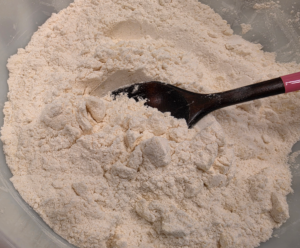
      Stop mixing the moment you see the last streak of flour disappear. If you are adding walnuts or chocolate chips, gently fold them in right at the end with just 2-3 strokes.
    • Pour and Texture Top

      Pour the rich, aromatic batter into your prepared loaf pan, smoothing the top with your spatula.
      Sweet Caroline's Tip: This is where the magic happens. Generously sprinkle Demerara sugar across the top of the batter. It will transform into a professional, golden, crunchy crust in the oven.
    • Bake to Perfection

      Place the pan on the center rack of your preheated oven and bake for 50 to 60 minutes. Around the 50-minute mark, insert a toothpick or cake tester into the very center of the loaf. If it comes out clean or with just a few moist crumbs (but no wet batter), your banana bread is done.
      Let it cool in the pan for about 10 minutes, then carefully transfer the loaf to a wire rack to cool completely.
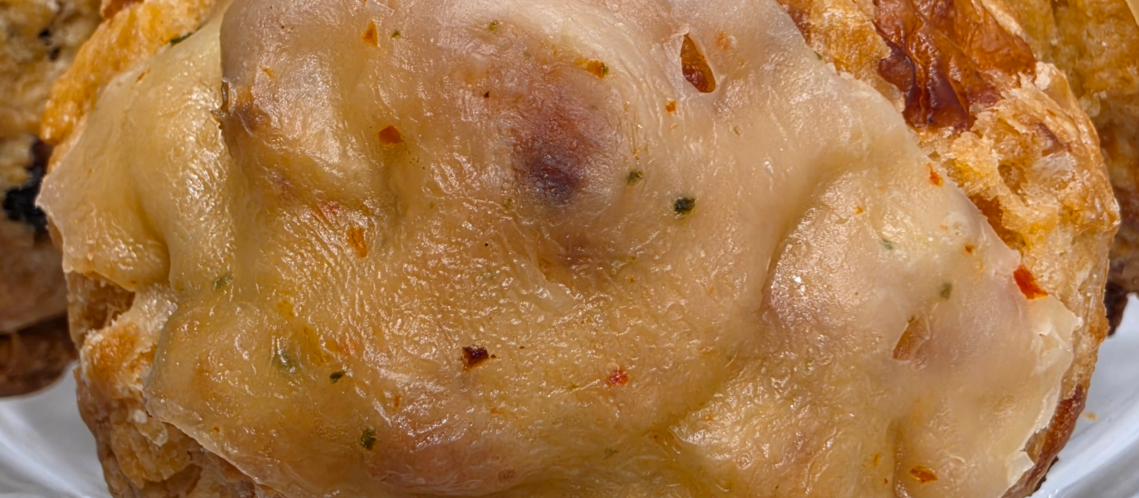
    Keyword Baking, Banana, Beginner, Chocolate, Classic, Easy Recipe, Home Baking, Loaf, Moist, Plain, Tea, Tea Time