A classic moist pound cake is more than just a recipe; it is a definitive masterpiece that wins you over with its compact density and rich, velvety texture. Often called the true backbone and pinnacle of home baking, this cake is a testament to the beauty of simplicity. But have you ever wondered how to turn those basic ingredients into an unforgettable gourmet experience? Whether you are a beginner looking to master the basics or a seasoned baker refining your craft, let’s explore the history behind the legendary 1:1:1:1 ratio and the fine, delicate techniques that transform a simple loaf into a timeless classic.
1. The History: The 1:1:1:1 Rule Originating in 18th-century Britain, the pound cake was named for its iconic, easy-to-remember formula: one pound each of flour, sugar, butter, and eggs. This high fat and sugar content acted as a natural preservative, keeping cakes fresh for days before the invention of modern refrigeration. Today, this ratio remains the gold standard for structural integrity and richness.
2. Expert Techniques for the Perfect Loaf Even with simple ingredients, technique is everything. Here is how to avoid common pitfalls:
- The Power of Room Temperature: Ensure your butter, eggs, and milk are at room temperature. Cold ingredients prevent proper emulsification, leading to a curdled batter and a dense, heavy texture.
- The Art of Creaming: Beat the butter and sugar for a full 3 to 5 minutes. This creates the essential air pockets needed for a natural rise without relying solely on leavening agents.
- The Signature “Belly” Crack: To achieve that artisanal golden peak, score the top of the batter with a buttered knife about 10–15 minutes into baking. This controls the vent point and guides the rise perfectly.
3. Choosing Your Liquid: Milk vs. Heavy Cream
- Whole Milk: Keeps the crumb “true” to the traditional style—lightly dense, clean, and perfectly balanced.
- Heavy Cream: Adds extra milk fat, resulting in a deeper, velvety flavor and a moist crumb that stays soft for days.
4. Modern Variations Once you’ve mastered the classic, don’t be afraid to innovate. Add lemon zest for brightness, matcha for a sophisticated earthy note, or chocolate chips for an indulgent twist. You can even bake them in mini molds for individual, café-style servings.
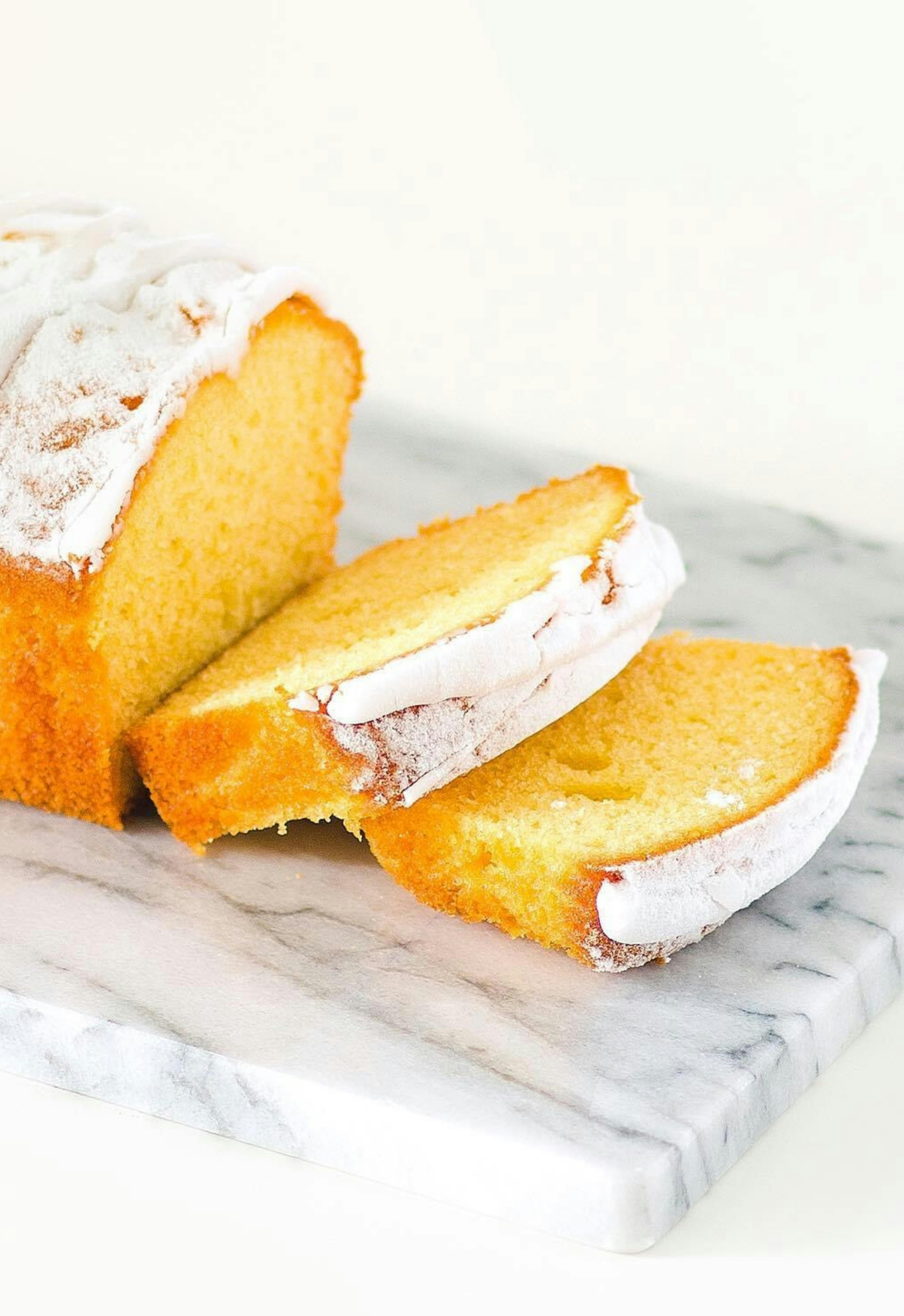
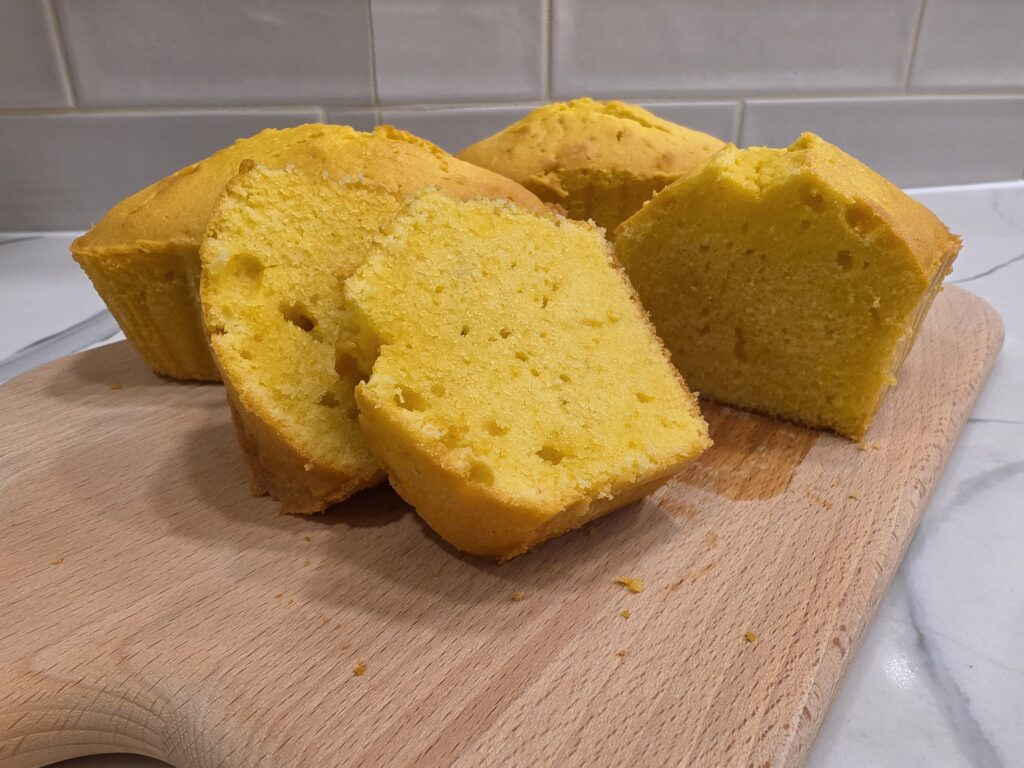
1. The History of Pound Cake: The 1:1:1:1 Rule
Ever wondered where the name comes from? It’s brilliantly simple.
Originating in the 18th century Britain, sugar and butter were luxuries, making this cake a true indulgence.
Before refrigeration existed, its high sugar and fat content acted as a natural preservative—allowing the cake to stay fresh for days.
The cake was made with one pound each of flour, sugar, butter, and eggs.
- The Traditional Formula 1 lb Flour + 1 lb Sugar + 1 lb Butter + 1 lb Eggs = 4 Pounds of Happiness
- The Original Preservationist: Before refrigeration, the high sugar and butter content acted as natural preservatives, keeping the cake fresh for a remarkably long time.
If you love traditional treats, don’t forget to check out my Classic Plain Scone recipe too!
2. Why We Love the Pound Cake
Better with Time: Letting it rest for 24 hours allows the butter’s aroma and moisture to settle beautifully.
Endless Variations: Lemon zest, matcha, chocolate chips, dried fruits—its simplicity makes it endlessly adaptable.
Pure, Honest Comfort: Unlike airy sponge cakes that rely on frosting, a pound cake wins you over with its rich, velvety density. Every single bite delivers a deeply satisfying, rustic warmth that pairs perfectly with your favorite cup of tea.
The Ultimate Beginner-Friendly Masterpiece: With its straightforward ratios, it is incredibly forgiving for home bakers, yet yields a bakery-quality loaf that looks and tastes effortlessly elegant
And while its charm lies in simplicity, achieving that perfect texture and flavor depends on a few surprisingly delicate techniques.
3. Global Variations: One Recipe, Many Faces
The “1:1:1:1” ratio traveled the world and evolved into beloved regional styles
| Country | Name & Characteristics |
| France | Quatre-Quarts / Week-end: Literally “Four-Quarters.” Often glazed with lemon syrup and icing, designed to be enjoyed during a weekend outing. |
| USA | Southern Style: Often adds sour cream or cream cheese to the traditional recipe for an extra moist, rich, and dense texture. |
| Germany | Sandkuchen: Meaning “Sand Cake.” Replacing part of the flour with starch gives it a fine, crumbly texture that melts like sand in the mouth. |
| Mexico | Panqué: A popular everyday bread often loaded with walnuts or dried fruits and topped with a sprinkle of sugar. |
4. The “Fine Details” for a Perfect Classic Moist Pound Cake
When a recipe is this simple, technique becomes everything.
Here are the essential details that determine whether your loaf turns out good—or exceptional.
Room Temperature Matters Butter, eggs, and even flour should be at room temperature to avoid curdling and ensure a smooth batter.
The Signature “Belly” Crack That beautiful split on top is the hallmark of a well‑baked pound cake. About 10–15 minutes into baking, score the top to guide the crack elegantly.
Why It Cracks The dense batter sets on the outside first, while steam escapes from the center—creating that golden peak we all love.
Glazing Brushing the warm cake with sugar syrup or a splash of liqueur locks in moisture and elevates the aroma.
These small details are what transform a good loaf into an exceptional classic moist pound cake.
5. Modern Trends: From Minimalist to Gourmet
While the classic moist pound cake remains a timeless favorite, modern cafés have reimagined this beloved treat with gourmet twists.
Baking a classic moist pound cake with these modern twists allows you to enjoy both tradition and innovation at the same time.
- Decorative toppings like creams, edible flowers, and fruit compotes
- Gluten‑free versions using rice or almond flour, and vegan versions using coconut oil, are increasingly popular.
- Mini pound cakes for elegant individual servings
Sweet Caroline’s Kitchen recipes here.
🛒 🔗 Shop This Recipe (Recommended Tools & Ingredients)
🛠️Tools List
📝 Ingredients List (Copy & Save!)
453g Unsalted Butter
453g Sugar
453g Cake Flour
453g Eggs
50ml Whole Milk OR Heavy Cream
5ml Vanilla Extract
2.5g Salt
Classic Pound Cake
Equipment
- 1 Kitchen Aid Stand Mixer
- 2 Mixing Bowls
- 1 Silicon Spatula
- 1 Scale
- 1 Sifter
- 4 MIini Loaf Pans
- 4 Parchment Paper
- 1 Paring Knife
- 1 Silicon Brush
- 1 Cooling Rack
Ingredients
- 453 g Unsalted Butter
- 453 g Sugar
- 453 g Cake Flour
- 453 g Eggs
- 50 ml Whole Milk OR Heavy Cream Room temperature
- 5 ml Vanilla Extract
- 2.5 g Salt
- 5 g Baking Powder
Instructions
- Prep & Preheat oven to 325°F (160°C). Divide the batter evenly into 4 mini loaf pans lined with parchment paper.
- Cream butter & sugarBeat softened butter and sugar for 3–5 minutes until pale and fluffy.
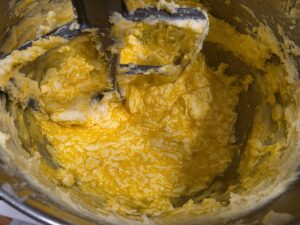
- Add eggsAdd eggs little by little, mixing well after each addition. Add vanilla.Scrape the bowl & mix well.
- Mix dry ingredientsSift the flour, baking powder, and salt into a separate bowl
- CombineAdd dry ingredients to the wet mixture in two additions, mixing on low. Add milk or cream and fold gently.
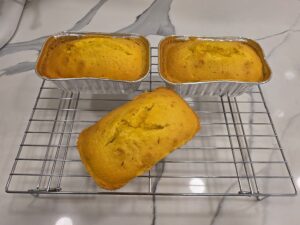
- BakePour batter into the pan. Bake 45 minutes until a skewer comes out with moist crumbs.
- CoolCool in the pan for 10 minutes, then transfer to a cooling rack to cool completely.
Tips for the Perfect Bite
If you enjoy a modern, café‑style look, bake the batter in mini molds for charming individual servings—without altering the classic flavor.
- Mindful Variations If you enjoy modern styles, try baking the batter in mini molds.
They create charming individual servings without altering the classic flavor.
- Health‑Conscious Options You can swap part of the flour with rice flour for a gluten‑free version, or use coconut oil for a lighter, dairy‑free twist.
- The 2cm Rule Slice your pound cake about 2 cm thick—the ideal width to enjoy its dense, buttery crumb.
- Perfect Pairings A bitter Americano or a warm cup of Earl Grey balances the richness beautifully.
- The “Pan‑Sear” Trick If your cake feels slightly dry, lightly sear each side in a buttered pan for a crisp exterior and soft interior.
Sweet caroline’s Tip
Milk vs. Heavy Cream: Which One Should You Use?
In this recipe, you can use either milk or heavy cream depending on the vibe you’re going for:
- Whole Milk: Keeps the texture true to the 18th-century traditional style—lightly dense, clean, and perfectly balanced.
- Heavy Cream: Adds extra milk fat, giving your pound cake a richer, deeply velvety flavor and a beautifully moist crumb that stays soft for days.
Caroline’s Tip: No matter which one you choose, make sure it is at room temperature before folding it into your batter to prevent any curdling!
Sweet Caroline’s Serving Tip
A plain slice is perfection—but with a few touches, it becomes a plated dessert.
- A La Mode Serve warm with a scoop of vanilla bean ice cream. The way it melts into the crumb is pure magic.
- A Drizzle of Decadence: Warm caramel, dark chocolate syrup, lemon glaze, or pure maple syrup all elevate the experience.
- Fresh & Vibrant: Top with macerated strawberries, blueberries, or raspberries for a bright, tart contrast.
- The Finishing Touch: A dollop of lightly sweetened whipped cream and a sprinkle of toasted almonds or powdered sugar will make it look straight out of a patisserie.
Conclusion
When you’re tired of flashy, trendy desserts, nothing beats the comforting warmth of a freshly baked classic moist pound cake.
That one heavy, flavorful bite might just be the warm hug your afternoon needs.
Everyone has their own way of enjoying it—what’s yours?